
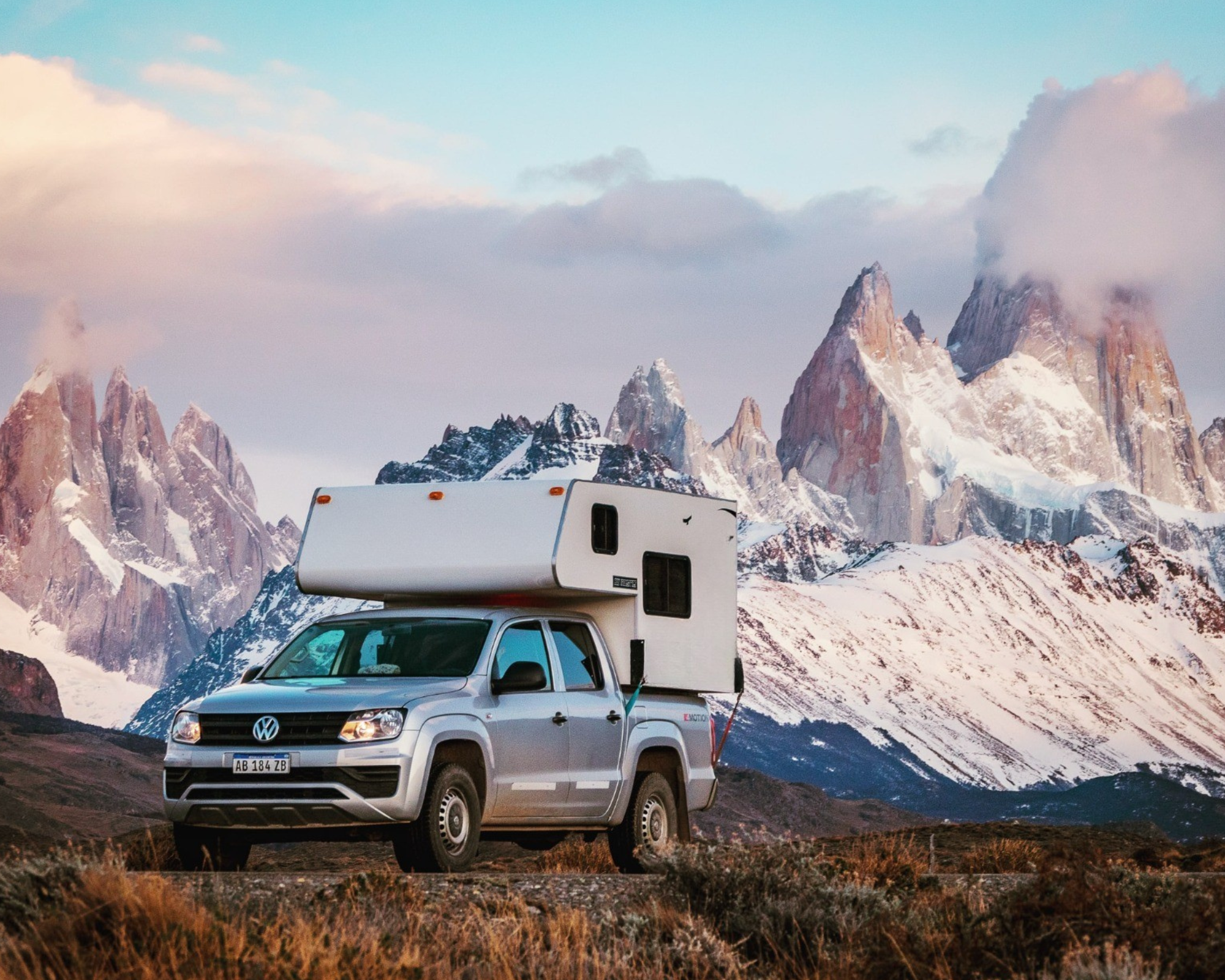
Can you drive from Torres del Paine to El Calafate in a camper hired in Chile? Some rentals allow it with advance approval. Before booking, get written confirmation for your vehicle, drivers, dates and route. Then ask a separate question: in which town and country will the rental company accept the camper back?
A border crossing and an international drop-off are separate arrangements
Consider two versions of the same holiday. In the first, you pick up in Punta Arenas, visit Torres del Paine, cross to El Calafate and return the camper to Punta Arenas. You need the rental company’s approval for a temporary exit and insurance that covers the time in Argentina.
In the second, you want to hand back the keys in El Calafate and fly out of Argentina. The company must also agree to collect the vehicle abroad and confirm the arrangement and any charge in your quote. If it only offers returns in Chile, compare a round trip with a return in another Chilean town. When most of your route is across the border, it is also worth looking at campers available to hire in Argentina.
Who arranges the permit?
For a Chilean rental vehicle, the rental company handles the Chilean customs authorisation for temporary travel to Argentina. Chile’s public service guidance explains that the rental contract and international policy can limit the validity of the permit. Check the expiry date on your documents, particularly if you want to extend your stay or cross more than once. The official ChileAtiende guidance for rental vehicles gives the procedure in Spanish.
When requesting a quote, send the names of your intended drivers, both countries, your main stops and the approximate dates of each crossing and return. Ask which documents the company needs from you, how much notice it requires and when you will receive the paperwork. If a different camper is supplied at collection, match the registration plate to the permit and insurance certificate before setting off.
Four things to get in writing
- Does the authorisation cover this route, all named drivers and any repeat crossings?
- What third-party liability cover applies in Argentina? Ask separately about damage to the pickup and camper body, glass, tyres and theft, plus the applicable excess or deductible.
- If you break down in Argentina, who can arrange recovery, how far will they tow the vehicle, and what costs would you have to pay?
- How are the permit, international insurance and drop-off charged? Ask which days count towards insurance and request the figures in the currency of your quote.
The rental terms we reviewed differ. A provider may restrict travel to a declared corridor, while another may charge international cover for the whole rental period. Ask for the calculation for your own route. If a listing offers an Argentina permit but also says the vehicle must remain in Chile, get clarification before paying.
At pickup and on crossing day
At handover, check the contract, registration plate, vehicle documents, exit permit and insurance certificate with the rental company. Ask which documents you must present, and in what format, on both the outward and return journeys. Each traveller should also check the entry requirements that apply to their own nationality and circumstances.
Look up the crossing the evening before and again before setting off using Argentina’s official border crossing directory. On the way back into Chile, remember the contents of the camper fridge: Chile’s agricultural and livestock service explains which plant and animal products must be declared. Leave a time buffer before any fixed handover or flight.
When enquiring about a camper in Chile, describe the trip in one line, for example “Punta Arenas pickup, El Calafate visit, return in Chile”. To decide which side to start on, see our Chile road trip planner and our Carretera Austral route and ferry guide.