

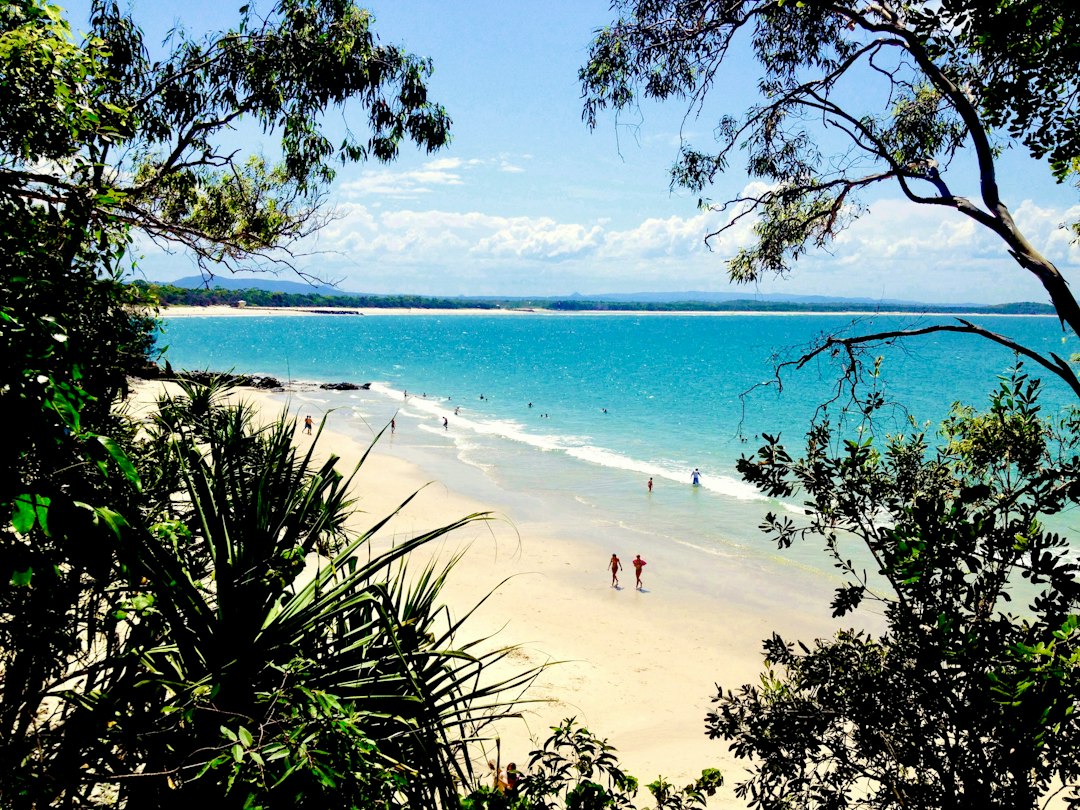
Little Cove, Noosa, Queensland — photo by Lukas Spirig on Unsplash.
This Brisbane road trip combines the Sunshine Coast hinterland with three nights around Noosa, then returns through Mooloolaba. The plan has 10 days on the ground and 9 overnight stays: two nights near Maleny, three around Noosa and two around Mooloolaba, plus a Brisbane night at each end. It leaves room for walks, beaches reached on foot and ordinary time at camp.
The entire loop stays on the mainland. It includes no K’gari crossing, ferry journey or beach driving. Check the vehicles, equipment and conditions in the Brisbane rental offer. Collection and return are planned at the same base, with the exact address and times to be confirmed.
Your 10-day, 9-night route
The kilometre ranges are rounded editorial estimates. They depend on the handover point, campsites and detours, and are not certified GPS measurements. Allow approximately 400–900 km for this version. Then check each stage on a map, particularly campground entrances and the roads through the hinterland.
| Day | Plan | Estimated km | Overnight stop |
|---|---|---|---|
| 1 | Collection, groceries and time to settle in | 0–40 | Brisbane, night 1 |
| 2 | Brisbane → Maleny area | 90–130 | Maleny area, night 2 |
| 3 | Maleny, Montville and the hinterland | 30–80 | Same campsite, night 3 |
| 4 | Maleny → Noosa on mainland roads | 70–110 | Noosa area, night 4 |
| 5 | Noosa, coastal walking and local outings | 10–50 | Same campsite, night 5 |
| 6 | A flexible day around Noosa | 0–60 | Same campsite, night 6 |
| 7 | Noosa → Mooloolaba | 40–70 | Mooloolaba area, night 7 |
| 8 | Glass House Mountains outing and return | 90–150 | Same campsite, night 8 |
| 9 | Mooloolaba → Brisbane | 90–130 | Brisbane, night 9 |
| 10 | Drive to the base and return | 10–50 | No overnight stay included |
The nine nights are Brisbane 1, Maleny 2, Noosa 3, Mooloolaba 2 and Brisbane 1. Day 10 is for returning the vehicle and has no additional overnight stay. Each area is a suggested base; no specific campsite pitch is guaranteed by this itinerary.
Days 1–3: settle in, then explore the hinterland
Keep the first day for the handover, groceries and a trial run of the tent. Check where luggage goes when the beds are in use, how the fridge works and what must be packed away before driving. A night close to the starting point helps you sort out the practical details before the road trip begins.
On day 2, drive towards Maleny without trying to see the whole hinterland on the way. Set up camp, then choose a nearby walk or viewpoint. The next day can combine Montville with the area around Maleny, returning to the same campsite in the evening.
Tourism and Events Queensland presents these villages as useful bases for scenery, walks and local food in the Sunshine Coast Hinterland. Our suggestion is to focus on a small area each day. Distances may look modest, but winding roads, parking and stops all take time.
If the weather changes, replace a longer outing with time in a village and a shorter day. Avoid reshuffling the whole trip to preserve one activity. The two-night stay is there to provide flexibility as well as a chance to explore.
Days 4–6: enjoy Noosa from one base
Day 4 reaches Noosa on mainland roads. Find an authorised campground around Noosa, Noosaville or Tewantin that accepts your vehicle and sleeping setup. Check the exact entrance: this route does not use Noosa North Shore as a shortcut or assume a vehicle crossing of the river.
Once settled, keep one day for exploring on foot and another for a looser programme. A coastal walk, lunch near camp and an activity chosen around the weather can fill the time comfortably. Three nights in one area do not require three separate organised excursions.
Noosa National Park has walks and viewpoints, but camping is prohibited. A park visit and an overnight stay at a nearby campground are separate arrangements. Read the official track information and alerts before setting out, and choose a walk that fits your available time.
Beaches and visitor car parks are not automatic places to open a rooftop tent for the night. Keep your overnight booking and plan the journey back to it. For families, a day without a required transfer also makes meals, rest and packing easier to manage.
Days 7–8: Mooloolaba and an inland outing
The transfer to Mooloolaba is short within the context of this loop. Spend the afternoon near the waterfront instead of heading straight back onto the road. The official Sunshine Coast itinerary also connects Noosa, Mooloolaba and the hinterland as complementary areas to explore.
The following day, plan an outing towards the Glass House Mountains, returning to the same camp. Pick an official lookout or walking trail after checking its access information. No summit climb is required by this itinerary. If you would rather stay by the coast, use the second day in Mooloolaba and reduce the kilometres in your budget.
This arrangement saves another pack-up for a single inland night. You can also switch the outing between days 7 and 8 as conditions dictate, without changing the main campsite bookings.
Days 9–10: be back before the vehicle is due
Return to Brisbane on day 9 and stay near the collection base or in an area convenient for the next morning. Allow time for refuelling, packing and the agreed return instructions. A city-centre detour only makes sense if parking and timing work for your vehicle.
On day 10, drive to the confirmed address and complete the return. Do not assume the whole day is available for sightseeing: the contractual return time may shape your plans. Arrange any onward airport transfer separately.
Season, weather and road conditions
Tourism Australia describes Brisbane’s subtropical climate, with hotter, more humid summers, possible storms and generally mild, drier winters. Transitional seasons can suit this loop, but your exact dates and local conditions matter. South East Queensland should not be planned as though it were the tropical far north.
Before each drive, check official QLDTraffic information and Park Alerts. Even a local closure can change a short outing. Use the regions and seasons guide if you are choosing between this coast and Western Australia.
Camping: check the current booking arrangements
As checked on 17 November 2026, Queensland’s park booking system is temporarily unavailable. The official 14 November announcement temporarily permits camping without a permit in open parks, keeps existing bookings valid and says other rules still apply. It guarantees no pitch and does not make camping permissible in Noosa National Park.
Revisit the park booking information before travelling. Confirm the terms, facilities and rooftop-tent space for every campground you choose. Check the applicable fire and cooking rules for the site and time of year as well.
For each overnight stop, keep a clear record of the check-in window and the pitch booked. Ask whether a powered site is useful for your particular camper, rather than assuming the equipment needs one. Confirm drinking water and showers if you are relying on them. A photograph of a scenic campsite does not tell you which facilities are available.
Choose the setup and calculate the trip cost
This mainland route does not rely on permission to drive on sand. Choose a fitted 4WD for the way you want to camp: beds, storage, cooking equipment and comfort at the campsite. Check seated capacity separately from sleeping capacity, along with any child-seat requirements.
Your Australia road-trip budget needs the vehicle quote, all nine nights, fuel for your actual route, food and activities. The camping guide and rental conditions guide cover the next checks. You can then review confirmed starting points in Pampa Cruz’s Australia offer.
Enquire about a vehicle in Brisbane
Share your dates, group size and proposed route. Your rental enquiry is free and comes with no obligation or immediate payment. Availability, rental conditions and the collection and return arrangements must be confirmed for your chosen vehicle.
Explore 4WD hire from Brisbane
Sources and checks
Practical information and official rules checked on 17 November 2026. Recheck alerts, access and booking conditions for your travel dates.
- Tourism and Events Queensland — Sunshine Coast Hinterland
- Tourism and Events Queensland — Sunshine Coast itinerary
- Queensland Parks — Noosa National Park
- Queensland Parks — Camping bookings
- Queensland Government — Temporary booking arrangements, 14 November 2026
- Transport and Main Roads — Road information
- Tourism Australia — Brisbane weather
- Queensland Parks — Fires and cooking
- Queensland Parks — Park alerts