

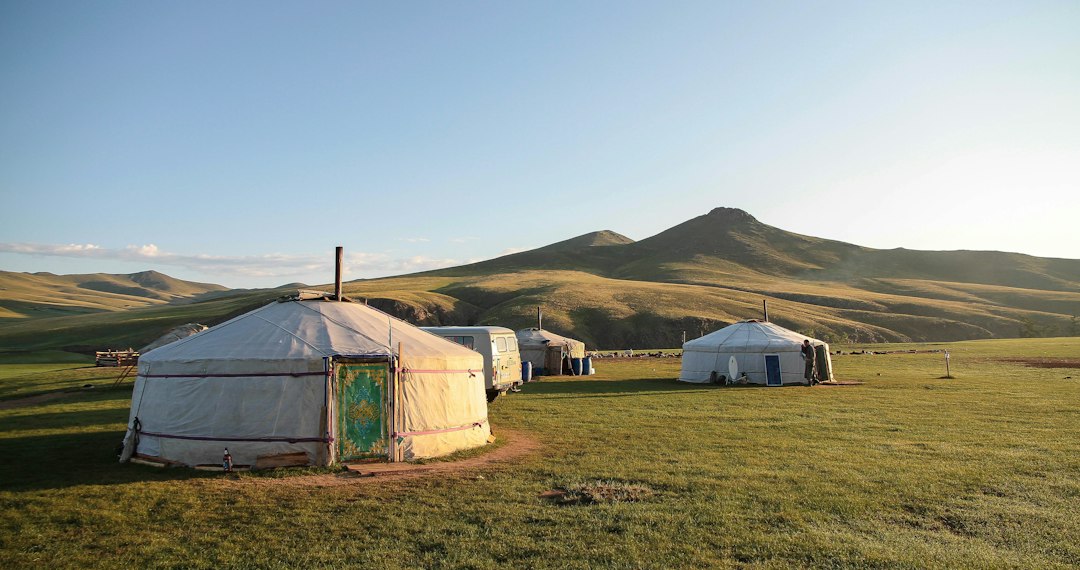
Mongolia — photo by Vince Gx on Unsplash.
A Mongolia road trip budget starts with a route and an itemised quote. A daily rental figure is only one part of the calculation: you also need the billable hire period, included equipment, shared travel costs and any money temporarily tied up as a deposit. This guide provides a way to compare proposals without treating an illustrative calculation as an available price.
First decide how many people are travelling, how many days you have in Mongolia and which region matters most. A compact trip with several nights in the same place produces a different budget from a route built around long transfers. Vehicles, dates, equipment and rental conditions must be confirmed for your individual enquiry.
Count rental days and overnight stays separately
Ten travel days do not automatically mean ten charged rental days. A late flight, a first night in the city or an early return can change the calculation. Ask for the precise collection and return times, the billing period and the treatment of an overrun. Include your flight schedule when discussing arrangements, while keeping the last major drive separate from your international departure.
Give every overnight stay a line in your plan. Separate accommodation before departure, authorised camping stops, other stays along the route and the final night before your flight. A tent in the equipment list does not automatically remove campsite charges, service costs or the need for an alternative overnight option.
A cost checklist to complete with your quote
| Item | Calculation | What to confirm |
|---|---|---|
| Vehicle hire | Charged days × agreed rate | Taxes and compulsory fees included? |
| Equipment and extras | Fixed charge or daily rate × days | Exact items, quantities and condition? |
| Fuel | Distance × consumption ÷ 100 × price per litre | Fuel type and route-specific assumption? |
| Overnight stays | Nights × charge for the group | Per person, room or pitch? |
| Food and water | Days × travellers × allowance | Anything already included? |
| Entry and activities | Confirmed charge × participants | Guide, local transport and equipment? |
| Transfers and documents | Actual requirements | Collection, return and related charges? |
| Contingency | Identified scenarios | An additional night or rental day? |
Write “to be confirmed” wherever a figure is missing. An empty cell can too easily become a zero in the total. Keep the original currency, the date and the source of each amount. This prevents a current quote being compared with an old trip report or a package with different inclusions.
Calculate the group total before the cost per person
The starting formula is group budget = hire + extras + fuel + accommodation + food + activities + other expenses. Add a contingency linked to specific circumstances, then divide by the number of travellers. Include individual costs before you make that final division, or show them separately for each participant.
Shared expenses do not necessarily rise in proportion to group size. An extra traveller might leave the hire price unchanged but require more sleeping equipment or a different vehicle. Check seats, sleeping spaces, luggage and permitted occupancy together. A favourable per-person figure is meaningless if the proposed arrangement cannot accommodate the group.
A completely fictional worked example
The following numbers are invented solely to demonstrate the arithmetic. They are not Mongolia market prices, Pampa Cruz rates or a quotation. The example assumes two people, ten charged hire days and nine overnight stays. International flights are excluded. Euros are used only to keep the calculation in one currency.
| Fictional assumption | Calculation | Total |
|---|---|---|
| Hire | 10 × €100 | €1,000 |
| Extras | Imaginary fixed charge | €100 |
| Fuel | 1,200 km × 15 litres/100 km × €1/litre | €180 |
| Overnight stays | 9 × €40 for two | €360 |
| Food and water | 10 × 2 × €15 | €300 |
| Other expenses | Imaginary allowance | €160 |
| Total before contingency | All items added | €2,100, or €1,050 per person |
Add a fictional €300 group contingency and the planning envelope becomes €2,400, or €1,200 each. That contingency is not a universal recommendation. Replace every assumption with your own quote and itinerary. An unconfirmed item remains unconfirmed even when a spreadsheet produces an exact-looking total.
Work out fuel from the route you will actually use
Ask for a distance estimate along the permitted route, then include the local journeys you intend to make. A consumption figure without a specified vehicle, load and terrain is not enough. Compare scenarios: a reference assumption and a higher-use case discussed during trip preparation. Avoid borrowing a consumption claim from another model or a different driving environment.
In the fictional example, increasing consumption from 15 to 18 litres per 100 kilometres raises fuel spending from €180 to €216, with distance and pump price unchanged. The €36 difference explains the calculation; it does not describe any vehicle offered through Pampa Cruz. Carrying capacity, safe storage and reliable refill opportunities require a separate check.
Separate the deposit, excess and money you will spend
A security deposit may be blocked or charged, depending on the agreement. If it is refundable under the agreed conditions, do not treat the whole amount as an unavoidable trip expense. Show it separately as funds or payment capacity you must have available. Confirm the amount, currency, payment method, release procedure and timing.
An insurance excess describes a contractual liability in specified circumstances; it is not necessarily the same as the deposit. Read the applicable exclusions and ask about equipment damage, recovery costs, tyres and glass. The presence of the word “insurance” does not establish which loss is covered or which routes are permitted.
Compare offers with matching assumptions
Align the dates, vehicle category, drivers, mileage allowance, equipment and collection/return arrangements before comparing totals. Ask for compulsory charges and route restrictions in writing. An item included in one proposal and optional in another can change the result. Differences in responsibilities and support may matter more than a small difference in the advertised daily figure.
Then examine what happens if the plan changes: an extra night, a revised stage, an early return or an authorised extension. Keep personal travel cover separate from vehicle cover. Choosing self-drive also requires a realistic assessment of driving experience and support; the FCDO’s Mongolia road-travel advice is a useful starting point alongside the guidance issued for your own nationality.
Choose savings that preserve the purpose of the trip
Start with the route if you need to reduce the total. Removing a distant detour can reduce fuel, driving and possible additional nights together. Keeping the same base for two nights may improve the trip even when it does not reduce the rental period. Conversely, shortening a journey without removing destinations can create pressure to drive longer days.
Compare what you would give up as well as the amount saved. Do you want fewer regions, simpler accommodation or fewer paid activities? Make those choices explicitly. Avoid assuming that necessary equipment, suitable cover or a confirmed overnight alternative can simply be deleted from the plan without affecting how the journey works.
Send the details needed for a useful estimate
Provide dates, group size, sleeping arrangements, driving experience, priority regions and the comfort you need. Say whether you would prefer a shorter route or a different vehicle if the proposal exceeds your budget. Request an itemised total and a clear list of the costs you will pay separately during the journey.
Budget questions
Can I get a reliable total without travel dates?
You can identify the cost categories and build your calculation, but a commercial total needs dates, a vehicle, equipment and a route. Those details also make different proposals meaningfully comparable.
Does camping make every night free?
No. Confirm permitted camping places, any applicable charges, the services you want and any accommodation nights. Having a tent does not provide permission to park or camp everywhere.
Should I convert every amount into one currency?
A common comparison currency makes addition easier. Keep the original amounts, use a dated exchange rate and include the payment charges relevant to your arrangements. Recalculate before committing.
Does a budget estimate reserve a vehicle?
No assumption of availability should follow from an estimate or a listing. Read the scope and validity of the proposal, and obtain explicit confirmation of the vehicle, dates and conditions.
Ask Pampa Cruz to review your Mongolia plans. The enquiry is free, with no obligation and no immediate payment. Vehicles, availability, equipment and rental conditions must be confirmed for your trip.