

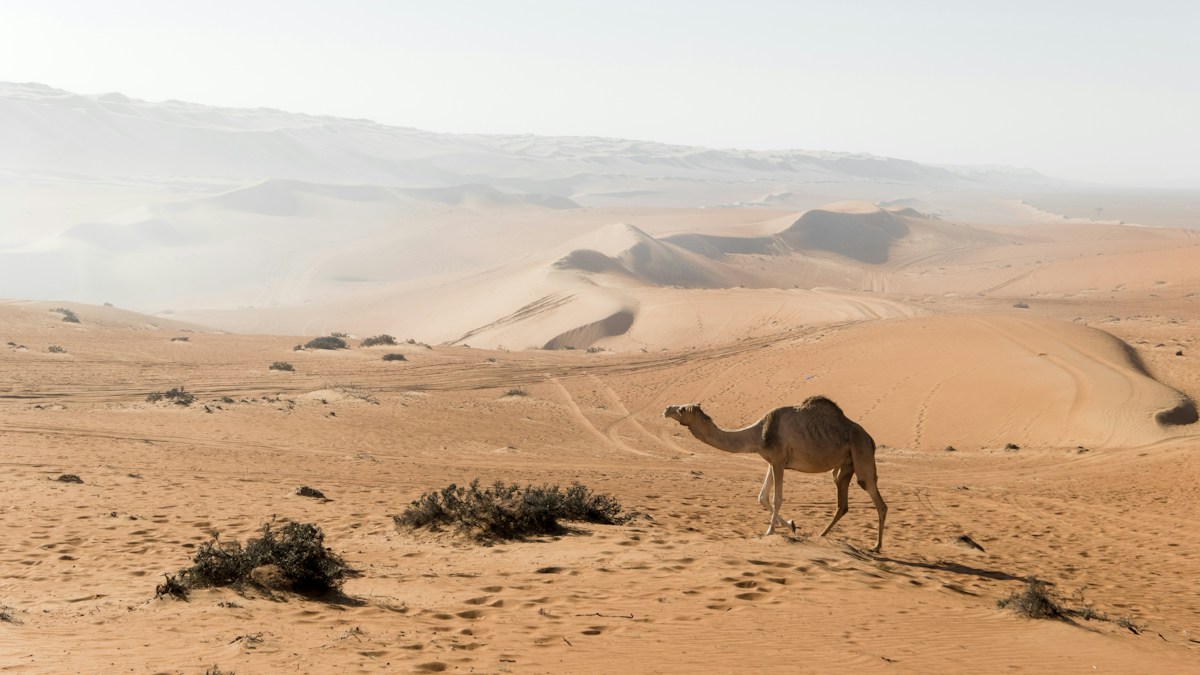
Cover photo: Arisa S. / Unsplash License.
Updated 19 November 2026. Lire en français
A night beside desert dunes, a cool morning in the Hajar Mountains or breakfast near the coast can give an Oman road trip its rhythm. Start planning those nights with three questions: is overnight camping allowed at the place you have chosen, can your vehicle reach it on an approved route, and where will you go if conditions change? A rooftop tent solves part of the sleeping arrangement; the location still needs careful selection.
This guide complements the Oman rooftop tent camping overview. Use the road trip itineraries to decide how the overnight stops fit together, rather than collecting isolated map pins.
Is wild camping allowed in Oman?
Do not build a trip around a promise that camping is permitted everywhere. The official sources reviewed describe separate rules for municipalities, private land, reserves and protected beaches. Being able to park during the day does not automatically allow you to open a tent, cook and stay overnight.
| Proposed stop | What to check |
|---|---|
| Muscat Governorate | The municipal permit service regulates camping beyond 48 hours. Designated locations and other local conditions still apply. |
| Jabal Akhdar Scenic Reserve | The Environment Authority requires a permit for camping or overnight stays and restricts vehicles to designated roads. |
| Ras Al Jinz beach | The reserve operator controls beach access. A turtle viewing visit, overnight accommodation and permission to camp are different arrangements. |
| Land beside a village or farm | Identify who manages the land, obtain their agreement and check local restrictions before setting up. |
Muscat’s reference to 48 hours does not grant two nights on any beach you find. The municipality also publishes location and environmental conditions. Nor should that local time limit be applied to the whole country. For a protected area, follow the requirements of the particular reserve.
Choose an overnight stop that suits the landscape
Sharqiya Sands: arrange the final approach
Identify a camp or permitted overnight area, then confirm the meeting point, final approach and way back to the road. A general “Wahiba Sands” map destination may lie well beyond your intended entrance. A route displayed by an app is not evidence that you are authorised or equipped to drive it.
French travel advice recommends travelling in a desert convoy with experienced people. If sand driving is new to you, arrange an appropriate escort or transfer for the final section. Do not assume that a rental includes either accompaniment or recovery from the dunes. The Oman driving guide explains how to check the route and vehicle conditions.
Mountain nights: prepare for cooler air and wind
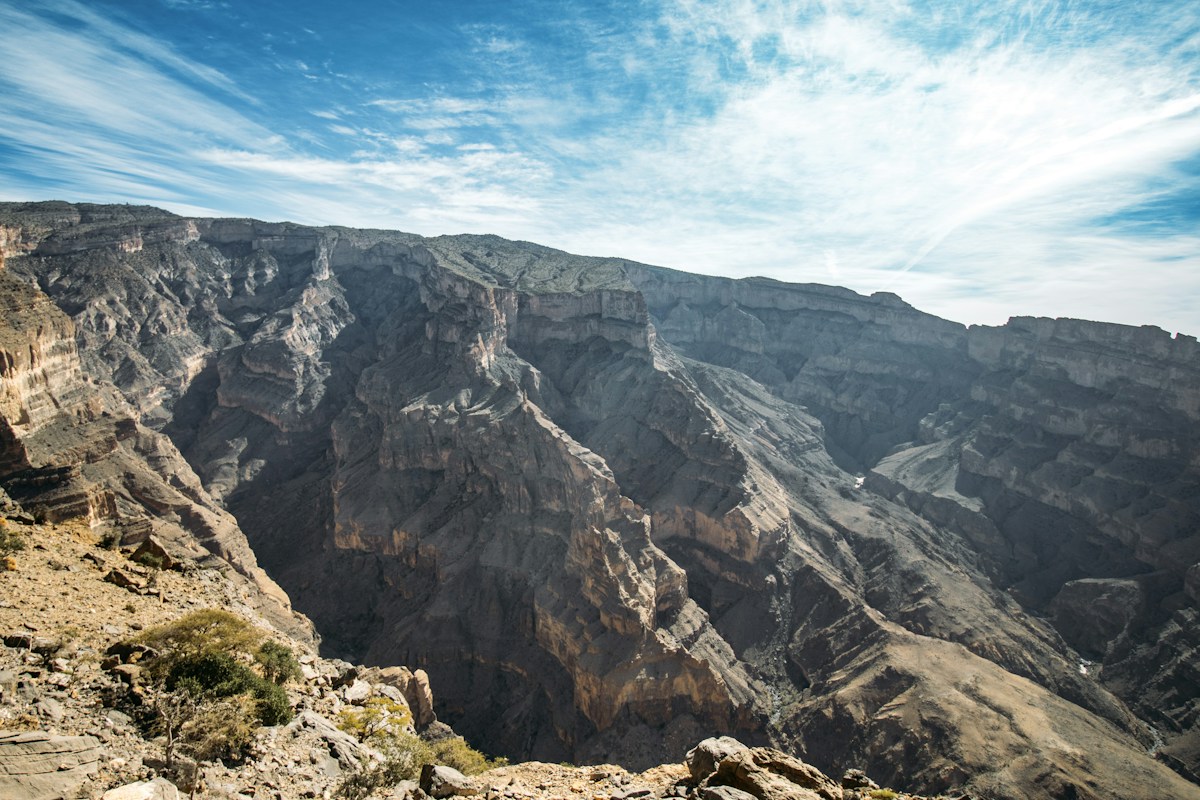
The Hajar Mountains are cooler than the lowlands, as described by Experience Oman. Ask what bedding is supplied, whether you need sleeping bags and how the tent should be used in strong wind. Stay well back from canyon edges. Establish whether the overnight site falls inside a reserve: the rules for Jabal Akhdar Scenic Reserve are not a description of every mountain road or village.
Coast and wadis: look beyond an empty view
An apparently empty beach may be used by fishing communities, be privately managed or provide turtle nesting habitat. Confirm access and overnight permission, and choose a position away from exposed shoreline areas. Use an organised turtle viewing visit instead of treating your camp as a place to wait for nesting animals.
Oman Meteorology advises against camping or parking near wadis even when they appear dry. Never choose a dry watercourse as an overnight site simply because the forecast for Muscat looks sunny. Check warnings and conditions for the area you will actually visit, and keep an alternative stop available.
A practical routine before each night
- Arrive in daylight. Leave enough time to inspect the place and reach another address if it is unsuitable.
- Confirm the permitted use. Check agreement, site boundaries, opening times and any permits before unfolding the tent.
- Inspect the ground and exit. Choose stable ground away from drainage channels and edges. Keep a practical way out without relying on an unfamiliar night drive.
- Follow the equipment instructions. Check the ladder, openings, stored belongings and access to the vehicle. Practise the first setup during handover.
- Plan cooking and waste. Use the stove outdoors as instructed by its manufacturer. Check fire restrictions and take rubbish and wastewater to an appropriate disposal point.
- Review the following day. Check weather alerts, resupply needs and the next road before settling down for the evening.
Keeping noise and lighting low helps you respect the place and its neighbours. Arriving so late that you cannot assess the surroundings does not improve that courtesy. Choose carefully, minimise disturbance and leave the site clean.
Drinking water, food, fuel and charging
Carry drinking water for drinking and cooking, separate from washing water where necessary. Use clean, closed containers protected from heat, and check what an onboard tank is intended for before filling it. Clear water in a wadi or irrigation channel should not automatically be treated as drinking water. Identify resupply opportunities and keep a reserve suited to the next stage.
Plan meals around confirmed equipment. Ask whether there is a stove and suitable fuel, a cool box or a refrigerator, and how refrigeration is powered. Tables, lights and kitchen utensils should appear in the agreed equipment list; a general vehicle photograph is not a full inventory.
For fuel, establish the correct type, how the gauge operates and where you will refill before entering a remote area. Load and terrain affect consumption, so a single range figure cannot describe every listing. Check which sockets and batteries may be used while parked and how to protect the starting battery.
Download maps before losing coverage. Keep the backup accommodation address, assistance number and meeting point available offline. Share your intended route with a trusted contact as recommended in official travel advice. The budget guide helps include a paid camping area, transfer or indoor night in the overall plan.
Choose a vehicle around your actual overnight needs
The Oman listings reviewed concern 4×4 vehicles with rooftop tents. Compare confirmed sleeping arrangements, belted travel seats and equipment for your group, rather than assuming a van or fixed camper body is available. The Muscat-based Land Cruiser Prado listing is one starting point for checking a specific vehicle, subject to dates and conditions.
Security advice also affects where you plan to sleep. As checked on 19 November 2026, French advice recommends avoiding Salalah, Duqm, Musandam and the Yemen border except for essential reasons. The UK FCDO warns of possible regional travel disruption. Read your own government’s current advice before departure. A campsite marker does not validate an entire route, and the season guide helps assess weather separately from access and security.
Frequently asked questions
Do all overnight stops need to be booked before arrival?
You can retain flexibility if each stage has a realistic overnight solution. However, check the accommodation evidence required for your entry arrangement. Oman’s foreign ministry lists a confirmed hotel reservation for the 14-day concession; do not assume that a vehicle booking alone satisfies this requirement.
Does permission to park include permission to sleep in the rooftop tent?
Not necessarily. Opening the tent, cooking and staying overnight may be subject to different rules from daytime parking. Confirm those uses with the site manager or municipality, especially near fishing areas and protected beaches.
Can I leave the tent open while sightseeing?
That depends on the site, weather and equipment instructions. Secure the vehicle and confirm that the manager permits your setup to remain while you are away. A parking space does not automatically become a reserved campsite.
What is the best backup when the weather changes?
Have an alternative overnight address and enough daylight to reach it. Avoid trying to preserve a camping plan at any cost. A possible indoor night or changed activity belongs in the preparation alongside water, fuel and the route.
Your request is free, with no commitment and no immediate payment. Availability, equipment, permitted routes and rental conditions must be confirmed for your chosen vehicle and dates.
Information and official sources checked on 19 November 2026. Local rules, travel advice and weather conditions can change: review the official links before departure.