

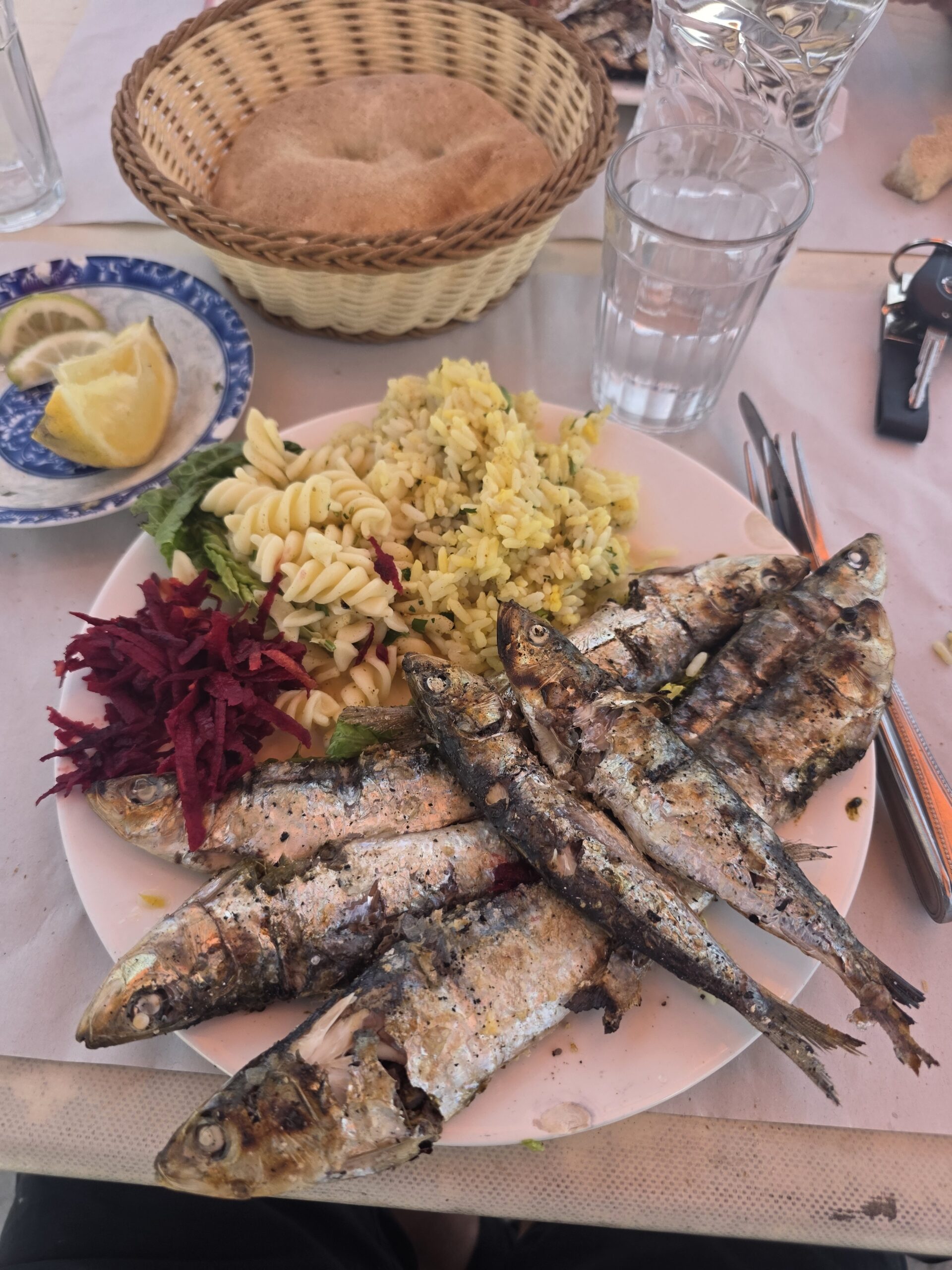
A Morocco road trip by 4×4 camper is as much about the food as the landscapes. Imagine a slow-cooked tagine after a day in the mountains, fresh grilled fish on the Atlantic coast, mint tea in a village café, or a simple breakfast of bread, honey and amlou before setting off again.
This guide introduces Moroccan food and regional specialities, from Marrakech and Essaouira to the Anti-Atlas and the Sahara, with practical tips for buying ingredients and cooking in an equipped 4×4 with a rooftop tent.
What food should you try in Morocco?
Tagine: more than one traditional dish
Tagine is the name of both a cooking vessel and a broad family of dishes. Depending on the region and cook, it may feature chicken with preserved lemon, vegetables, lamb, fish or seasonal ingredients. Slow cooking and the balance of spices are central to many recipes.
Couscous: food made for sharing
Couscous combines steamed semolina with vegetables, broth and sometimes meat. It is especially associated with Friday meals in many households, although dishes and serving traditions vary across Morocco.
Pastilla: a sweet and savoury pastry
Pastilla is a layered pastry that may contain poultry, fish or other fillings, often incorporating aromatic spices. Different regional and family recipes reflect the diversity of Moroccan cooking.
Harira: a comforting soup
Harira, commonly made with tomatoes, legumes and herbs, is associated with Ramadan and enjoyed at other times too. It makes a satisfying meal after a full day on the road, especially during cooler months.
Fresh bread, msemen and Moroccan pastries
Bakeries and markets are ideal places to try local bread, msemen flatbreads and pastries made with nuts, sesame or honey. These are convenient options for breakfasts and short stops during a self-drive trip.
What to eat in each region of Morocco
Marrakech: souks, spices and tanjia
In Marrakech, explore the markets, traditional spice stalls and dishes such as tanjia, often associated with the city. Ask the price before ordering and choose cafés and restaurants that clearly explain what is included.
Essaouira and the Atlantic: seafood
The Atlantic coast offers opportunities to try grilled fish and seafood, particularly around Essaouira and other fishing towns. Freshness and quality vary between vendors, so favour reputable restaurants and clearly displayed prices. Pair a simple fish dish with local salads and bread.
Agadir, Souss and Anti-Atlas: amlou
In the southwestern region, try amlou, a spread often prepared with almonds, culinary argan oil and honey. Recipes differ, and it is worth buying it from a trusted local producer or shop. It is delicious with bread for breakfast before a mountain drive.
Southern valleys and the Sahara: simple, nourishing meals
Around Ouarzazate, Zagora and Merzouga, enjoy dates, soups, bread and slowly cooked dishes. Remote roads may have limited restaurant options, so plan supplies before longer stages and avoid relying on every village having a shop open.
How to cook in a 4×4 camper in Morocco
An equipped 4×4 camper can make everyday meals easy, but always check the actual equipment provided with your rental. Some vehicles include a camping stove, cooking utensils and water storage; others have a different setup. A small refrigerator may not be included.
- Breakfast: local bread, fresh fruit, yoghurt, mint tea or coffee.
- Lunch: a picnic from the market or a stop at a roadside café.
- Dinner: alternate simple campsite meals with local restaurants.
- Remote areas: carry enough drinking water and shelf-stable food for unexpected delays.
Cook only where it is permitted and safe, especially in dry or protected landscapes. Never leave rubbish behind and avoid using a stove in strong winds or close to flammable vegetation.
Where should you buy groceries?
Local souks, bakeries and neighbourhood shops are good places to shop as you travel. Supermarkets in larger cities can be useful for stocking up before long drives. Keep an eye on storage temperatures, particularly in the hot south, and use water from a source known to be potable.
When travelling with limited fridge space, prefer small quantities of fresh ingredients, eat cooked food promptly and store perishable products safely.
A food-focused Morocco road trip itinerary
Combine market discoveries in Marrakech, grilled fish on the Atlantic coast, amlou in the Souss region and slow-cooked dishes in southern valleys. You do not need to rush: a good food stop can be the highlight of a day’s travel.
For a broader adventure, consider adding the Atlas Mountains or the Moroccan Sahara region. Check our Morocco seasonal guide to choose dates that suit your route.
Moroccan food and road trip FAQ
What are Morocco’s most famous traditional dishes?
Tagine and couscous are among the most famous, alongside harira, pastilla, regional breads and pastries.
Can vegetarians eat well in Morocco?
Yes, many vegetable and legume dishes are available. Check whether soups, sauces and broths contain meat, even if the main ingredients look vegetarian.
Can I prepare meals in a rooftop tent camper?
Many equipped vehicles include camping cookware, but the specific setup varies. Confirm the stove, utensils, storage and water system with the rental partner.
Should I stock up before visiting the desert?
Yes. For remote areas, carry additional food and drinking water and confirm your refuelling and supply stops before leaving a main town.
Where can I find authentic food experiences?
Markets, local bakeries, guesthouses and reputable small restaurants offer a good starting point. Take time to ask about regional dishes and local customs.
Discover Moroccan cuisine at your own pace: compare equipped 4×4 campers for rent in Morocco and submit a free, no-obligation booking request. The rental partner confirms the equipment and availability before payment.
Additional destination information: Moroccan National Tourist Office.