

For a first rooftop-tent 4×4 trip from Vancouver, start by looking at summer dates, then narrow them down around your intended region and overnight stops. Coastal British Columbia and the Rockies need different preparation. A month on the calendar cannot guarantee an open campground, a clear road or a comfortable night in a tent.
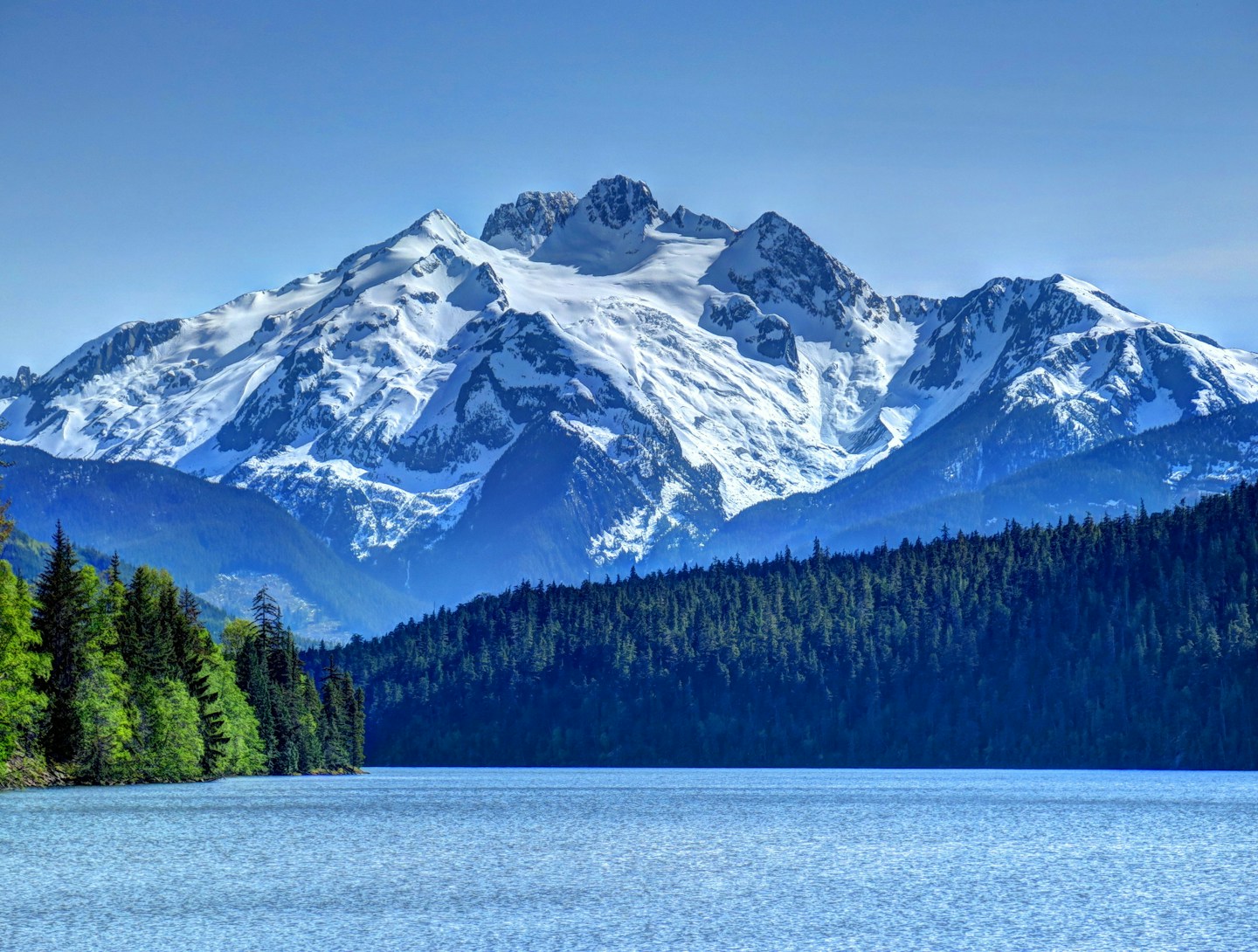
Illustrative photograph : morbital / Unsplash.
This guide covers British Columbia and Alberta around a confirmed Vancouver starting point. It does not describe one season for the whole of Canada. The published Pampa Cruz Toyota Tacoma rooftop-tent listings provide a starting point for an enquiry; availability and equipment suitability must be confirmed for your travel dates.
Choose the region before the month
Destination BC’s climate overview explains the differences between coast, interior and mountains. Coastal areas are generally milder and wetter, while the interior can have hotter summers and colder winters. Vancouver’s forecast therefore does not describe the night you may spend farther inland or at a higher elevation.
Our planning recommendation is to choose one main region, then check its campsites and activities for your dates. A coastal loop or Sea-to-Sky trip is a different project from a long journey to the Rockies. Adapt the route to the season instead of adding detours in pursuit of the weather you hoped for.
A framework for comparing the seasons
The table below is a planning framework, not a weather forecast or an opening calendar.
| Period | Vancouver and coastal BC | BC interior and Alberta’s Rockies |
|---|---|---|
| Spring | Keep the schedule flexible; check rain, cool nights and campground facilities. | Check snow, access and opening dates before committing to mountain stops. |
| Summer | Plan campsites and any ferries ahead, with an alternative if conditions change. | Match overnight stops and equipment to elevation; monitor roads, wildfire information and closures. |
| Early autumn | Check remaining services and avoid overloading each day. | Review every campground and road instead of assuming the summer plan still works. |
| Late autumn and winter | Request a specific assessment of the vehicle, sleeping setup and stops. | Build a separate winter trip with suitable, confirmed equipment and accommodation. |
Late spring and early summer: keep options open
If your dates are fixed in May or June, start with the overnight stays you can actually arrange. For each campground, check vehicle access, washrooms, water and suitability for a rooftop-tent setup. Keep a lower-elevation alternative or indoor accommodation available if conditions make camping unsuitable. Include that alternative in your budget before travelling.
Good weather at a trailhead does not establish conditions higher up. Parks Canada describes highly variable weather in Banff, including cold summer nights and snow that may remain on some hiking passes until late June. Read the park’s weather guidance and check the specific place you intend to visit.
Summer: secure your nights and retain a fallback
Summer is a practical starting point for planning a first rooftop-tent holiday. You still need warm layers and local forecasts. Leave enough time to establish camp before dark, rather than allocating every available hour to driving and sightseeing. A trip feels different when dinner and setting up the tent are part of the evening rather than a rushed final task.
Campgrounds do not all use the same system. Alberta Parks’ booking advice emphasises planning for summer and long weekends. National parks such as Banff and Jasper are managed by Parks Canada and follow their own arrangements. Reserving a vehicle does not automatically reserve your campsites.
Summer planning also needs room to change regions or shorten a route. Destination BC links to official alerts, wildfire and air-quality information, because smoke, access and services can change quickly. No month can be presented as a guarantee of smoke-free travel or unrestricted campfires.
September and autumn: check what remains open
Dates outside the main summer period may suit your pace, but compare the entire trip. A closed campground can require a detour or different accommodation. Water or shower facilities may also be unavailable even where some campsites remain accessible. Check the campground’s own information for the exact dates and prepare the sleeping equipment accordingly.
Choose daily stages that leave time for shopping, breaks and camp setup. When travelling with children or learning to use a rooftop tent, multiple nights in one place can simplify the routine. Use the budget guide to allow for alternatives and the vehicle comparison to assess the level of indoor comfort you want.
Winter needs a separate, confirmed plan
Four-wheel drive does not establish that a sleeping setup is suitable for winter temperatures. Before a winter trip, confirm the vehicle equipment, tyres, route restrictions, night-time gear, available facilities and suitable alternative accommodation. The published Tacoma rooftop-tent listings do not, on their own, constitute a winter camping offer.
BC Parks describes some winter activities and camping opportunities, but that does not make every location suitable for every vehicle or for a first camping experience. For a ski holiday, start with these specific checks rather than reusing a summer itinerary.
On signed routes in British Columbia, winter equipment requirements generally run from 1 October to 30 April, with some routes ending the requirement on 31 March. Check the signs and your exact route. Do not apply this calendar to every Canadian province.
What to check as your departure approaches
- Before fixing dates: choose the region, check campground operation and request confirmation of the vehicle and sleeping setup.
- Before finalising the route: review intended roads, rental permissions and any ferries, then reserve the nights you need.
- Before departure: read forecasts, alerts, closures and cancellation terms; adjust the equipment and plan where needed.
- On each travel day: check local conditions and drop a stop if access is closed or the plan is unsuitable.
Use Environment Canada’s forecasts for the places where you will actually spend the night, rather than only Vancouver. Our driving guide adds route-planning detail. For Vancouver Island, also allow a buffer between returning to the mainland, handing back the vehicle and your flight.
Frequently asked questions
Which month should I choose for my first trip?
Start by comparing summer dates in one limited region, then choose according to available campsites, confirmed equipment and your comfort with cold or wet conditions. The useful answer depends on the route, not just the country.
Can I combine Vancouver Island and the Rockies on a short trip?
Choose one main region. Vancouver Island requires ferry crossings and driving on the island; the Rockies need a longer plan from Vancouver. Choosing a different season does not reduce those distances.
Does “campground open” mean every facility is operating?
No. Check the services for your dates, the pitch type and any applicable restrictions. The camping guide helps distinguish managers and rules.
Plan my 4×4 departure from Vancouver
Your request is free, with no commitment and no immediate payment. Availability, final price and conditions, including seasonal equipment suitability, must be confirmed for your request.
Sources and checks
Sources checked on 19 November 2026. Review current information before travelling.