
A rooftop-tent trip in British Columbia can put forests, lakes and the coast at the centre of the day. Planning a good place to sleep is part of that freedom: you need to know who manages the land, whether overnight camping is allowed and whether the access road suits your rental. Having four-wheel drive does not create a general right to camp on public land.
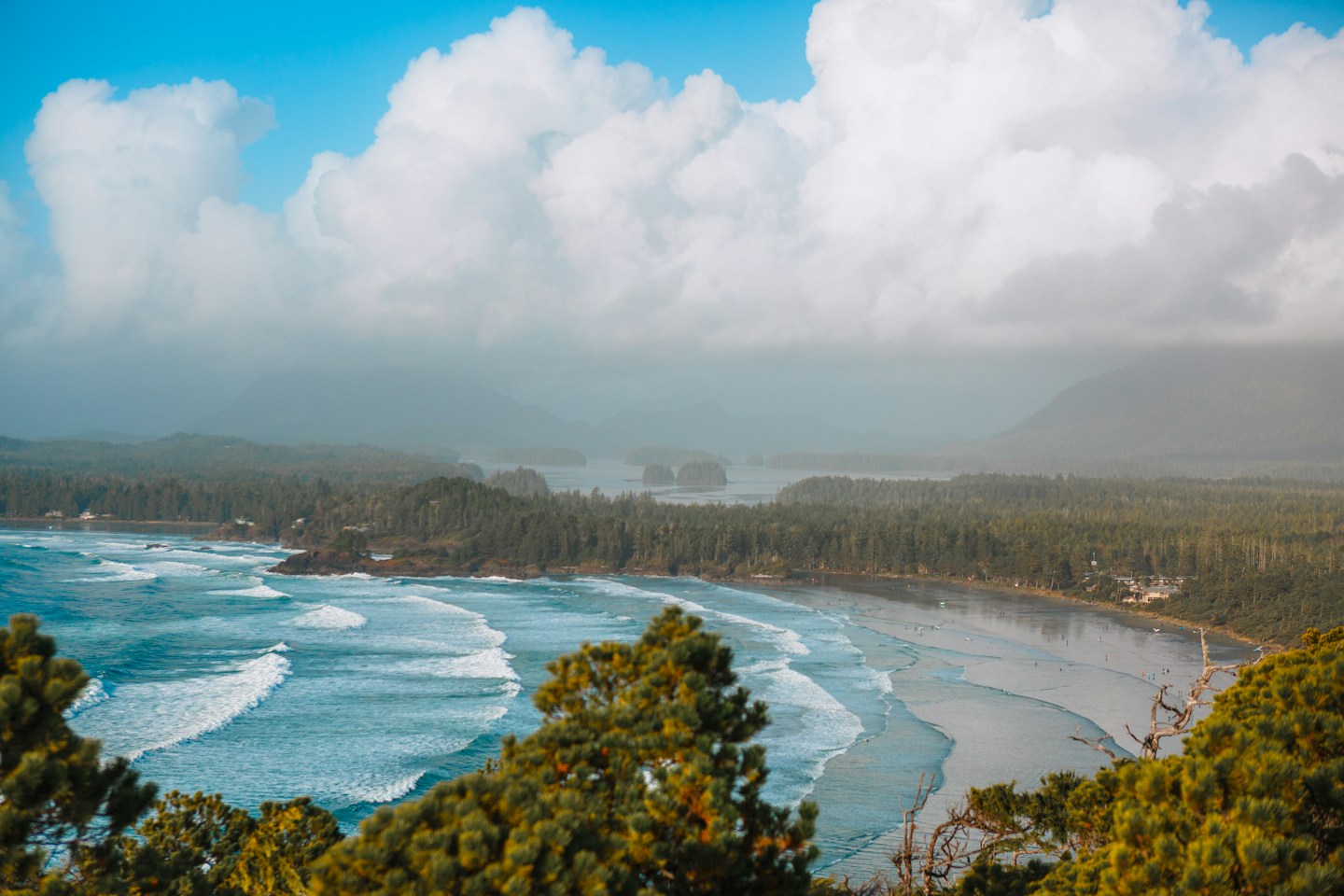
Illustrative photograph : Micah McKerlich / Unsplash.
This guide supports the Vancouver departures in our Canada selection. Use it alongside the Sea-to-Sky itinerary or the Vancouver Island road trip to organise authorised overnight stops, suitable pitches and a tidy camp.
Start with the land manager
Camping rules depend on the place. A British Columbia rule does not automatically apply in Alberta, a national park, a municipality or a privately operated campground. Check the actual destination’s official information, opening dates and access before adding it to your itinerary.
| Type of overnight stop | What to check |
|---|---|
| BC Parks campground | Booking requirements, operating dates, pitch dimensions, facilities and fees. |
| National park or national park reserve | Authorised campground, permits or admission charges, and Parks Canada’s booking calendar. |
| Private campground | The operator’s terms, rooftop-tent suitability, arrival times and included services. |
| Recreation site | Site rules, road access, any fee, and the availability of drinking water and toilets. |
| Public land or municipal area | The precise land status and overnight restrictions. A location in a camping app is not permission. |
British Columbia’s recreation-site rules are separate from provincial campground booking rules. For a first trip from Vancouver, identified, authorised campsites make both planning and daily routines easier.
Book a pitch that works with a rooftop tent
Your bed opens above the vehicle, so the truck must fit in the permitted parking area while leaving room for the ladder. Confirm the vehicle’s length, width and folded height, as well as the space needed when the tent is open. A site advertised for tents may have a separate parking area and may not suit sleeping above the vehicle.
Check which facilities operate during your stay. Drinking-water points, showers, toilets and dump stations can have different opening periods. An electrical hook-up only helps if the vehicle has compatible equipment and you need it. A campground’s facilities are not evidence of what comes with the rental: match both sets of information.
BC Parks currently publishes a three-month advance-booking window for frontcountry sites. Some campgrounds require reservations; others have first-come, first-served options. National parks use the separate Parks Canada launch calendar. Check the correct travel year and campground rather than relying on a previous season’s date.
Budget for the full overnight cost
Keep campsite nights separate from rental days in your road-trip budget. Include transaction fees, paid services and any supplements that apply to your party. BC Parks changed fees in 2026 and introduced charges for visitors who do not live in the province. Use its current fee information and the final booking total.
Secure the nights that hold the itinerary together: the first night after collection, popular coastal areas, and the final night before a ferry or vehicle return. You can retain flexibility elsewhere, but leaving a night unbooked does not guarantee that a suitable pitch will be available on arrival.
Parking and overnight camping are different permissions
A legal daytime parking space may prohibit overnight camping. Opening a rooftop tent or staying inside the vehicle does not override local rules. Tofino’s parking guidance does not permit overnight vehicle camping on the street. Paying for parking is therefore not equivalent to booking a campsite.
The District of Squamish also defines camping restrictions and sensitive areas. If a longer trip reaches Banff, its park rules prohibit sleeping in vehicles at roadside pullouts, car parks, trailheads and day-use areas. These examples show why the exact location matters; they are not one nationwide rule for all public land.
Keep food and scented items out of the tent
The height of a rooftop tent does not replace proper food storage. Follow Parks Canada’s food-storage guidance and the campground’s instructions. Use the closed hard-sided vehicle or a designated locker for food, scented items and rubbish. An outdoor cooler or an open truck bed is not appropriate protected storage.
Make tidying part of every meal, every departure from the site and the evening routine. Check the table, stove, dishes, packaging and toiletries. Keep food out of the sleeping area. Observe wildlife from a respectful distance, never feed animals, and follow the land manager’s instructions instead of moving closer for a photograph.
Plan water, waste and cooking
Locate drinking-water supplies and suitable disposal points before setting up. A lake or an unlabelled tap is not proof of safe drinking water. Keep rubbish secured until an authorised collection point; food scraps and peelings must also be taken away. Dispose of wastewater in the designated facility rather than onto the ground.
Before lighting a fire, check the BC Wildfire Service, the campground and local requirements. A fire ring on a pitch does not prove that fires are allowed that day. Also check the rules for the actual stove supplied with the vehicle and plan meals that remain possible under the restrictions.
A useful routine before moving on
- Confirm the next authorised campsite, arrival window and a realistic backup.
- Check the drive on DriveBC and read the destination’s current alerts.
- Review fuel, drinking water, food supplies and waste storage.
- Aim to arrive with enough daylight to set up comfortably.
- Keep maps, booking confirmations and contact details available offline.
For gravel access, check legal permission, current conditions and the rental agreement separately. Our Canada driving guide explains the distinction. The season also changes the experience: rain, cold nights or a campground closure can affect both comfort and the route.
Frequently asked questions
Can I camp anywhere on Crown land for free?
No general assumption is safe. Identify the land and manager, then check the restrictions. Provincial guidance does not cancel municipal rules, closures or the limitations of your rental agreement.
Should every night be booked?
That depends on the place and season. Reserve the stops that determine your route, and check real options for the flexible nights. A published vehicle listing guarantees neither date-specific vehicle availability nor a campground place.
Does a rooftop tent mean I can skip campgrounds?
It provides portable sleeping space, not overnight permission. Choose authorised stops and appropriate facilities for the vehicle, your group and the local rules.
Free request, with no commitment and no immediate payment. Availability, the final price and rental conditions must be confirmed for your request.
Sources and checks
Sources checked on November 19, 2026. Recheck the conditions applying to your dates before booking and travelling.
- BC Parks — Frontcountry camping
- BC Parks — Camping fees
- British Columbia — Recreation sites and trails rules
- Parks Canada — Reservation launch dates
- Parks Canada — Your camp kitchen and food storage
- District of Squamish — Camping bylaw FAQ
- District of Tofino — Parking and overnight camping
- Parks Canada — Banff park regulations
- BC Wildfire Service — Fire prohibitions and restrictions
- DriveBC — Road conditions