

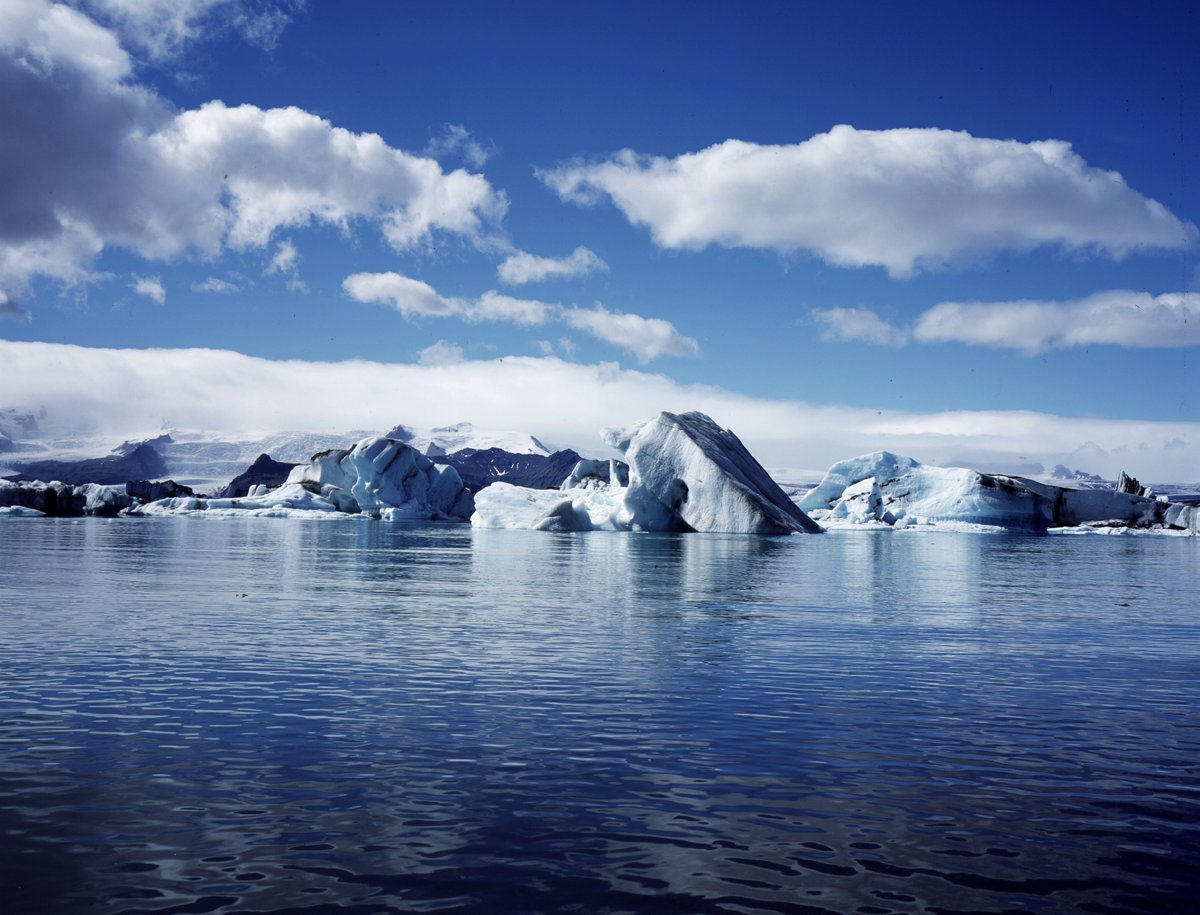
When is the best time to visit Iceland? For an adventurous road trip, the answer depends on whether you want to explore the Ring Road, venture into the Highlands on F-roads, hike beneath the midnight sun or search for the northern lights. Iceland is not one destination with one travel season: road access, daylight, weather and campsite availability change dramatically throughout the year.
At a glance: June to August is generally best for long road-trip days, July and August offer the strongest chances of Highland access, and September to April brings nights dark enough to look for northern lights. For a more flexible Ring Road itinerary, May and September may also suit your plans, provided you expect changeable conditions.
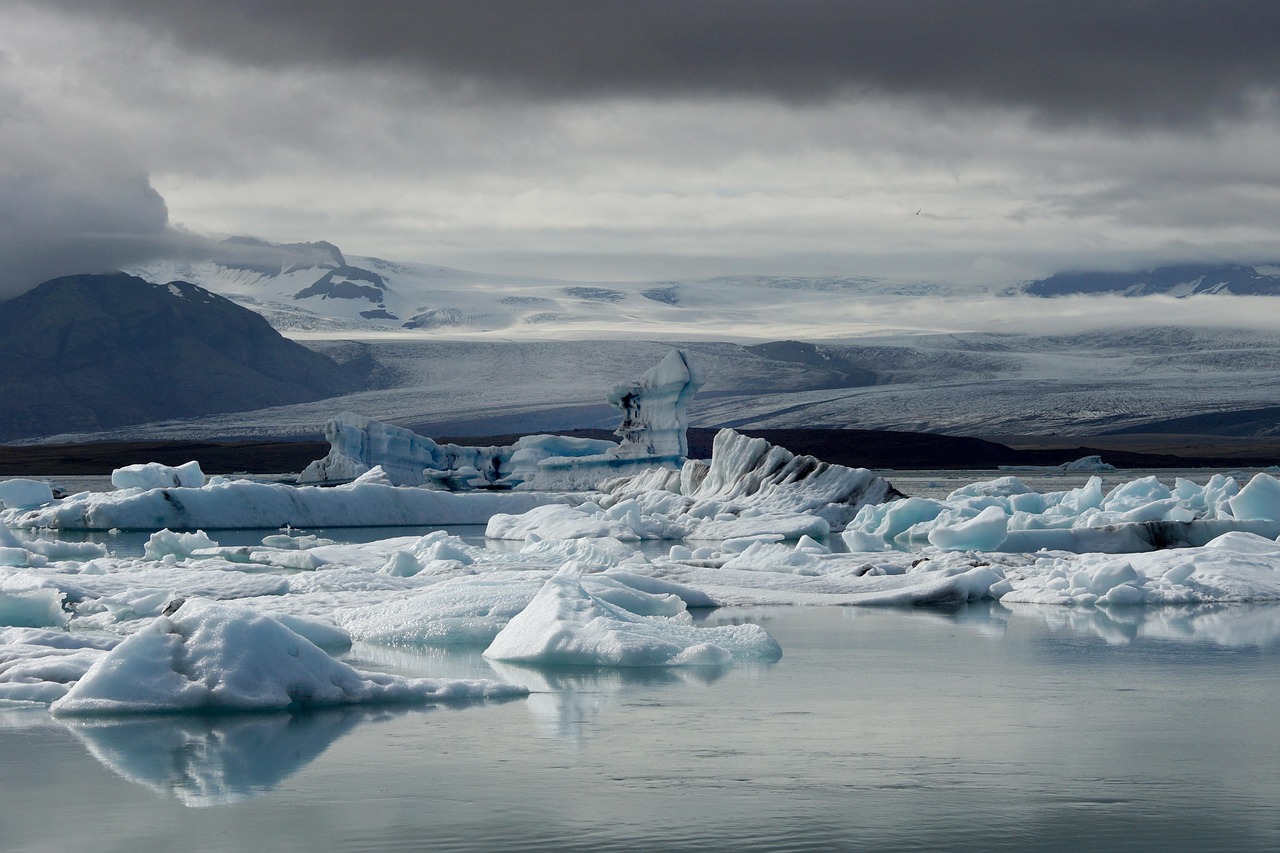
Iceland travel seasons at a glance
- Summer (June–August): long days, hiking, more campsites open, and some Highland roads accessible depending on conditions.
- Autumn (September–October): changing colours and longer nights, with an increasing chance of road closures in the Highlands.
- Winter (November–March): snow and northern lights, but also limited daylight, challenging driving and weather-related closures.
- Spring (April–May): longer daylight and quieter road trips, while Highland access is usually still restricted.
Best time to visit Iceland: month by month
January and February: winter landscapes and northern lights
Expect cold weather, snow or ice on some routes and a short day for sightseeing. Focus on a manageable region rather than planning a fast full-island loop. Leave spare time for road closures, wind and changes to your plans. Nights are long enough for northern lights if skies are clear and solar activity cooperates.
March: more daylight, still a winter road trip
March brings more daylight, although roads and mountain areas can still be very wintry. It can be an appealing time to combine coastal sightseeing with a chance of northern lights, but it is not a normal season for driving Highland F-roads.
April and May: spring light and quieter roads
Days become noticeably longer. Many of the main routes and attractions are worth visiting when conditions permit, but some roads may remain icy and most mountain tracks are still closed. Check campsite opening dates if you are sleeping in a camper.
June: the midnight sun and early summer adventures
June is an excellent month for long sightseeing days, waterfalls and coastal road trips. However, do not assume all Highlands routes have opened: snowmelt and road conditions determine the actual opening dates.
July: hiking and Highlands road-trip season
July is usually one of the most practical months for adding approved Highland routes to your itinerary. Popular hiking areas, including Landmannalaugar, attract visitors. Book accommodation and popular rental vehicles ahead of time, and verify the conditions of each F-road.
August: long road trips and mountain landscapes
August is often another strong choice for combining the Ring Road with Highland hiking. The weather can still shift quickly, especially at altitude, and summer access does not mean every river crossing is safe or permitted.
September: fewer crowds and the return of dark nights
September can offer a rewarding mix of road trips and possible northern lights. Many Highland roads start to close as conditions change, so do not build a September itinerary around guaranteed access to a particular F-road.
October: autumn colours and increasingly winter-like driving
Expect shorter days and greater potential for snow, strong winds or temporary closures. Choose a flexible route with backup options and do not count on Highland access.
November and December: winter travel on open roads
Dark nights provide opportunities to see the aurora, but driving requires extra care. Shorten daily stages, monitor alerts and choose a vehicle suited to winter conditions and your level of experience.
When should you drive Iceland’s Ring Road?
The Ring Road (Route 1) can be travelled at different times of year, but summer typically gives you the most convenient balance of daylight and easier driving conditions. June, July and August are especially good for first-time road trippers. May and September can also work with realistic expectations and flexible plans.
Winter travel is possible on open roads but is less forgiving. Strong winds, snow, black ice and temporary closures can make a ten-day full-island itinerary too ambitious. Plan around your experience and check official road conditions every day.
Compare your options in our Ring Road vs Highlands guide.
When are Iceland’s F-roads open?
The mountain tracks in the Highlands are seasonal. Some may open in June, but many do not open until late June or July. July and August are usually the best months for Highland road trips, though roads can close again with little warning. Opening dates are different each year and may differ between roads.
An appropriate 4×4 is required on marked F-roads, and your rental provider must authorise the route. This is particularly important if you are considering rivers or remote tracks. Never drive a closed road or attempt an uncertain ford. Read our guide to Iceland’s F-roads and how to reach Landmannalaugar.
Best months for the northern lights in Iceland
You need dark skies to watch for the aurora, so September to April is the broad viewing season. The northern lights are a natural phenomenon and cannot be guaranteed. Cloud cover, solar activity and light pollution all affect visibility. Set aside several evenings rather than driving long distances on unsafe roads in search of a display.
For forecasts, follow the Icelandic Meteorological Office’s aurora information.
When should you rent a 4×4 with a rooftop tent?
June to August is generally a more comfortable season for rooftop-tent travel, although nights can still be cold and exposed to strong winds. Check whether the rental company permits the planned routes and whether the tent and heating arrangements fit your needs.
Camping with a campervan or rooftop-tent vehicle is not freely permitted outside organised campsites. You generally need the landowner’s or rights holder’s permission elsewhere, and protected areas can have stricter restrictions. Consult the official camping rules.
Which camper or 4×4 should you choose by season?
Compare campervan-style travel in Iceland with 4×4 motorhome and truck camper rentals, checking the equipment and seasonal rental conditions for each vehicle.
- Summer Ring Road: choose a campervan, 4×4 camper or equipped adventure vehicle based on your group and preferred comfort.
- Highlands in summer: choose an appropriately equipped 4×4 explicitly allowed on the individual F-roads you plan to use.
- Winter: choose a vehicle and itinerary suited to the weather and your winter driving experience; do not treat a 4×4 as a guarantee of safe access.
Browse 4×4 campers and adventure vehicle rentals in Iceland on Pampa Cruz. Booking requests are free and non-binding; a local rental partner will confirm availability and conditions.
Frequently asked questions
What is the best month to visit Iceland for a road trip?
July and August are often the most versatile months for long road trips and access to some Highlands routes. June can be excellent for coastal travel and the midnight sun.
Can I drive Iceland’s F-roads in June?
Some may open in June, while others open later. Always consult the official road status for your travel dates.
Is September a good time to visit Iceland?
It can be an excellent month for travellers who enjoy fewer crowds and the possibility of northern lights, but Highland access is less predictable.
Are northern lights guaranteed in winter?
No. Winter provides dark skies, but cloud cover and auroral activity determine whether a display is visible.
Can I travel around Iceland in a campervan in winter?
Yes, in appropriate conditions with a suitable vehicle and realistic route. Check campsite openings and allow enough flexibility for road and weather disruptions.