

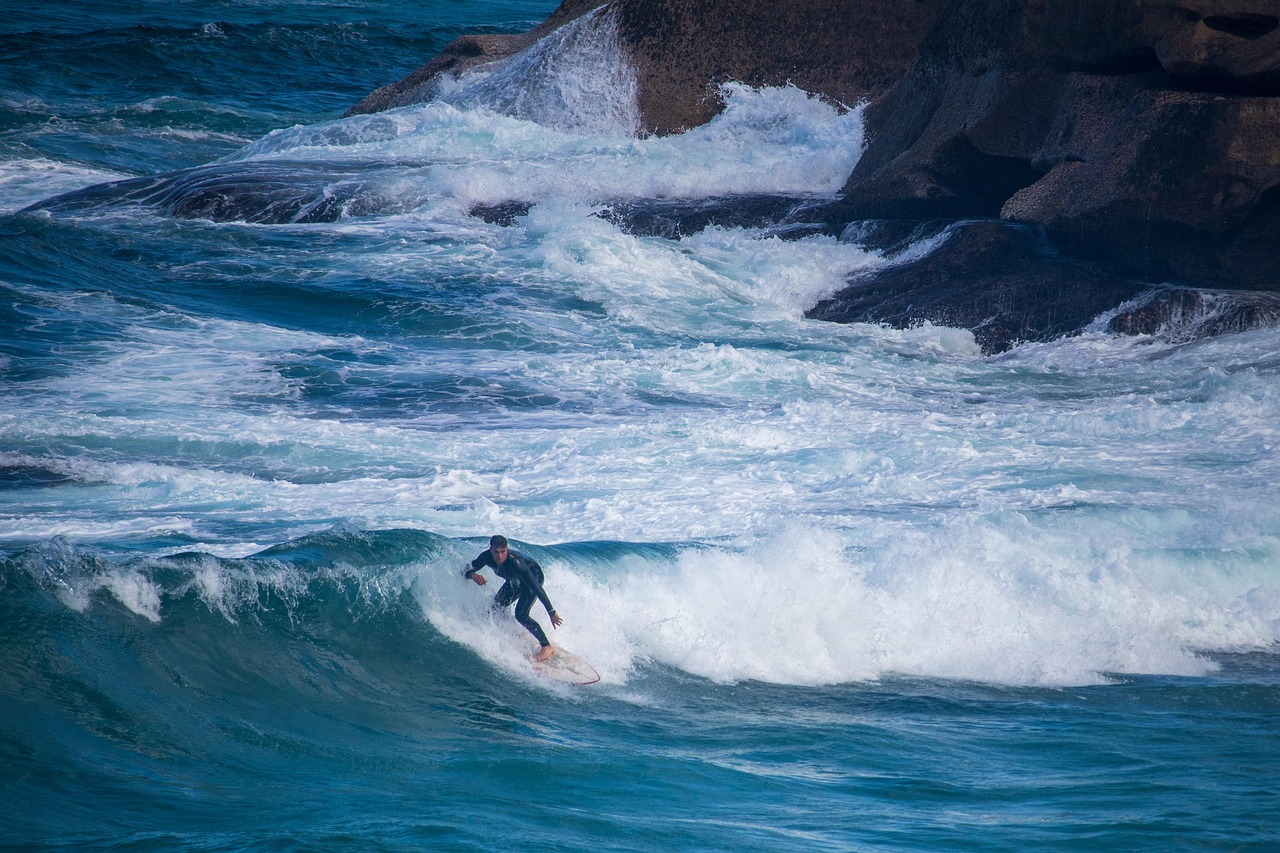
Surfing in Iceland is an adventure for travellers comfortable with cold water, changing weather and exposed Atlantic conditions. Black-sand beaches, volcanic headlands and empty-looking coastlines can make the island unforgettable for experienced surfers. A 4×4 road trip can help you explore approved coastal routes, carry your boards and combine surfing with hikes, waterfalls and geothermal pools.
But Iceland is not a simple beginner surf destination. Cold water, currents, rocks, strong wind and isolated beaches all increase the risks. Check conditions carefully, respect access rules and consider local guidance before paddling out.
Why plan a surf trip to Iceland?
Iceland’s surf appeal comes from the combination of North Atlantic swell and extraordinary landscapes. You can spend the morning checking the waves and the afternoon walking among volcanic formations or relaxing in geothermal water. Travelling by camper or 4×4 helps you keep a flexible itinerary when the wind or swell changes.
The island is exposed to rapidly changing weather, and remote beaches may lack rescue services. That means a good trip starts with conservative spot selection and realistic expectations rather than chasing the biggest swell.
When is the best time to surf in Iceland?
Iceland can receive surf in different seasons, but conditions vary widely by coast and weather system. Autumn and winter may bring powerful Atlantic swells, accompanied by much colder, windier and more demanding conditions. Summer offers longer days and more manageable road-trip conditions, though it does not guarantee good waves.
Choose your dates according to your experience, the type of wave you seek and your willingness to change plans. See our Iceland month-by-month travel guide for weather and driving considerations.
Where can you surf in Iceland?
Reykjanes Peninsula
The Reykjanes Peninsula is convenient for travellers arriving at Keflavík Airport and has Atlantic-facing shorelines with potential surf. Some areas have strong currents, rocky entry points or access restrictions linked to volcanic activity. Always check the current safety advice and never enter a restricted area.
Þorlákshöfn and the south-west coast
Surfers sometimes explore the coast around Þorlákshöfn, but wave quality and safety depend on the exact break, swell direction, wind and tides. It is not a place to turn up without local knowledge and assume the conditions are easy.
Sandvík and exposed beaches
Exposed Atlantic beaches can receive powerful surf, but also dangerous rip currents and unpredictable shorebreak. Check conditions and access, and seek advice from local surfers or qualified instructors. Do not surf alone on an unfamiliar break.
Why travel by 4×4 with surf equipment?
Our Iceland truck camper rental guide helps you compare interior layouts; board storage, heating and drying space must be confirmed on the exact vehicle.
A camper or 4×4 gives you the space to carry a surfboard, wetsuit and changing gear while building a road trip around the forecast. The ideal vehicle depends on your equipment and the roads you plan to use.
- Board storage: confirm that your boards fit securely inside or on approved roof racks.
- Warmth and drying: look at heating, ventilation and storage for wet wetsuits.
- Sleeping arrangements: check the mattress, number of berths and seasonal insulation.
- Road access: even in a 4×4, driving off-road is prohibited and rental route restrictions apply.
Browse 4×4 and camper rentals in Iceland on Pampa Cruz. Ask the rental partner about rack equipment and any vehicle-specific limitations before requesting dates.
What surf equipment should you pack?
Water temperatures are cold year-round. A suitable thick wetsuit with hood, boots and gloves is often needed, especially outside summer. Choose thickness and accessories according to the forecast and your own tolerance for cold. Bring dry changes of clothes, reliable footwear for rocky entries, a thermos and enough time to warm up after each session.
Check your board and wetsuit before travelling. Equipment shops may be limited once you leave Reykjavík and the main towns.
Safety first: weather, swell and coastal hazards
North Atlantic swell can build quickly. Watch for rips, submerged rocks, exposed reefs, sneaker waves and strong offshore wind. Icelandic black-sand beaches in particular can be hazardous even when no one is in the water.
Consult current local forecasts, observe from shore before entering, and surf with experienced companions or a qualified guide. Never assume a quiet-looking beach is a safe place to paddle out. If you are unfamiliar with the conditions, choose a guided activity instead.
For travelling between breaks, check Iceland’s official road conditions and SafeTravel. Do not drive into volcanic exclusion zones.
Build a surf and adventure road trip
Rather than making surfing the only goal, you can combine a few days around Reykjavík and Reykjanes with the Golden Circle, south coast waterfalls or a road trip towards Snæfellsnes. Weather and swell will help decide which days you surf and which days you explore.
For longer itineraries, read our Ring Road vs Highlands guide and hiking and road trip recommendations.
Where can you sleep during an Iceland surf trip?
Use organised campsites and legal accommodation. Campervans and rooftop-tent vehicles generally cannot spend the night outside campsites without landowner or rights-holder permission, and restrictions may be stricter in protected coastal areas. Find the current rules at the Icelandic Environment Agency.
Frequently asked questions
Can beginners surf in Iceland?
The conditions can be challenging. Beginners should seek local instruction and not enter unfamiliar Atlantic breaks without appropriate guidance.
Do I need a 4×4 for a surf trip?
Not necessarily for coastal roads accessible to regular vehicles. A 4×4 may be useful for equipment and flexibility, but it does not permit driving off-road or on prohibited roads.
What season is best for an Iceland surf road trip?
Summer generally makes driving and camping easier. More powerful swells can occur in colder seasons, but they also bring higher demands and risks.
Can I park and sleep right next to a surf spot?
Only where overnight camping is explicitly allowed. Most vehicle-based camping should be planned at organised campsites.
Get your road trip underway: explore 4×4 campers in Iceland and submit a free, non-binding rental request.