

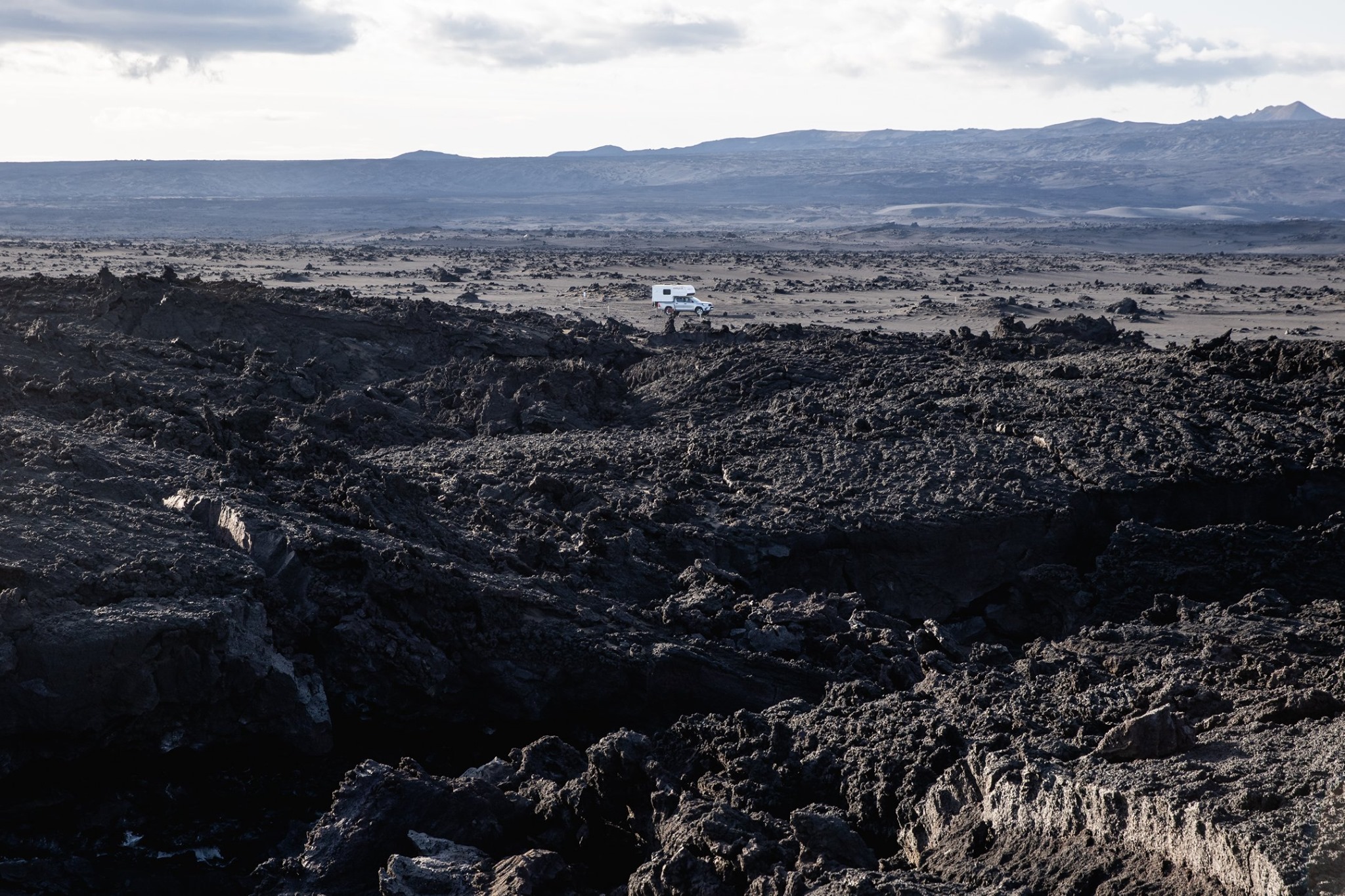
Should you spend your Iceland road trip following the Ring Road or exploring the remote Highlands? They offer two different adventures. Route 1 is the natural choice for a first trip, connecting waterfalls, glaciers, coastlines and northern towns. The Highlands reward travellers with volcanic landscapes and remote trails, but their mountain roads require more planning, suitable vehicles and the right season.
The short answer: choose the Ring Road if you want a varied and more accessible campervan itinerary. Consider the Highlands if you are travelling in summer, can rent an appropriate and authorised 4×4, and are comfortable adapting your trip around road and weather conditions. With 12–15 days, you may be able to combine both.

Ring Road vs Highlands: the main differences
The Ring Road (Route 1)
The Ring Road circles much of Iceland, linking Reykjavík with the south coast, Eastfjords, the north and western regions. It is largely paved and gives you access to many famous sights without using mountain F-roads. It suits travellers who want a well-rounded trip, organised campsites and the flexibility to stop at waterfalls, beaches and geothermal pools.
The Highlands
The Highlands cover the island’s rugged interior. Their routes pass through lava deserts, rhyolite mountains, volcanic valleys and river systems. Roads are often rough, isolated and seasonal. Many are marked F, meaning an appropriate four-wheel-drive vehicle is required. Not every rental 4×4 is authorised on every road.
When can you travel each route?
Ring Road: much of Route 1 operates year-round, subject to temporary closures due to snow, ice, wind or other hazards. Summer usually provides longer days and more straightforward driving. In winter, reduce the mileage and be ready to change plans.
Highlands: most mountain roads are only open during part of the summer. July and August often offer the most favourable access, but exact opening and closing dates depend on the year and the individual road. Check current Icelandic road conditions and SafeTravel advice.
Read our best time to visit Iceland guide for a full month-by-month breakdown.
What kind of vehicle do you need?
Use our rental guides to compare campervan travel, 4×4 motorhomes and truck campers and 4×4 campers for a Highlands itinerary. Check the current listings and each vehicle’s route restrictions before booking.
- For the Ring Road in summer: a standard campervan, a camper 4×4 or another suitable rental vehicle may work, provided you stay on roads permitted by your contract.
- For the Highlands: use an adequately equipped 4×4 with sufficient clearance, tyres and rental approval for the particular route.
- For winter travel: choose a seasonally appropriate vehicle and a flexible plan; four-wheel drive does not overcome dangerous ice or storm conditions.
Before booking, verify whether each intended route is authorised. River-crossing damage is frequently excluded from rental insurance; never attempt a ford if you are unsure. Off-road driving is prohibited in Iceland.
Explore 4×4 and camper rentals available in Iceland through Pampa Cruz. Requests are free and non-binding, so you can confirm the vehicle’s conditions before paying.
What can you see on Iceland’s Ring Road?
South coast waterfalls and glaciers
On the southern stretch, popular stops include Seljalandsfoss, Skógafoss, Vík and the black-sand coast, Skaftafell, and the glacial lagoon Jökulsárlón. These are highlights for a photography-focused itinerary. Stay well away from dangerous surf and observe all local warnings.
Eastfjords and quiet fishing villages
The eastern coast offers winding roads, fjords and smaller towns. Allow time for scenic stops and do not underestimate driving time when the weather is poor.
North Iceland and Mývatn
The Mývatn area has geothermal landscapes and volcanic features, while Akureyri provides a convenient stop for supplies and activities. North Iceland suits travellers who want to mix nature and local culture.
West Iceland and Snæfellsnes
Snæfellsnes is not part of the core Ring Road loop and deserves an extra day or two if your schedule allows. It offers dramatic coastal landscapes and the iconic Snæfellsjökull volcano.
What can you see in the Icelandic Highlands?
Landmannalaugar
Landmannalaugar is famous for colourful mountains, volcanic trails and natural geothermal bathing. Depending on the approach, access roads can involve fords; you can avoid the final river crossings near the campsite by parking at P1 and using the pedestrian bridge. See our Landmannalaugar 4×4 access guide.
Kjölur and the interior landscapes
The route 35 corridor passes between two large glaciers and offers an experience of the interior quite different from the busy coast. It is still remote driving and should never be treated as a guaranteed shortcut.
Remote routes towards Askja
Askja is a spectacular destination, but its remoteness and challenging routes require extra planning. If you are new to Icelandic mountain driving, consider an organised tour rather than committing a rental vehicle to a difficult approach.
Before venturing inland, read our detailed F-roads and Iceland Highlands guide.
How many days should you allow?
7–10 days: focus on one main route
A Ring Road circuit can be completed in about ten days in favourable summer conditions, but the pace is relatively brisk. With just seven days, consider focusing on the south and west rather than driving the entire island.
12–15 days: the Ring Road with meaningful detours
Two weeks give you breathing room for hiking, additional nights in the Eastfjords or Mývatn, or a visit to Snæfellsnes. In summer, you can also replace some of those extras with one carefully chosen Highlands visit.
Highlands-focused trip: leave room for changes
Highland road conditions are too variable for a rigid schedule. Use flexible overnight plans and build in alternative routes if a road closes. Never plan on a risky river crossing simply to stay on schedule.
Where should you camp?
Along the Ring Road, you will find a broader network of organised campsites, although some are seasonal. Camping options are more limited in the Highlands. Overnight stays in campervans or rooftop-tent vehicles are generally not permitted outside organised campsites without permission from the landowner or rights holder. Additional restrictions apply in some protected areas. See Iceland’s official camping guidance.
Plan the stops and activities along your route
Once you have chosen between the Ring Road and the Highlands, use these guides to plan the practical details and activities that suit your trip.
- Walking and winter sports: hiking on an Iceland road trip and ski touring in Iceland.
- Along the coast: planning an Iceland surf trip.
- At camp: travelling with a 4×4 rooftop tent and Icelandic food and cooking on a road trip.
For background on the western regions associated with the past event, see our guide to Iceland’s August 12, 2026 solar eclipse.
Frequently asked questions
Is a 4×4 necessary for the Ring Road?
Not always, particularly in summer on the main roads. A 4×4 may give you more flexibility, but it is not an automatic requirement for Route 1.
Are the Highlands suitable for first-time visitors?
Yes, with suitable planning and routes matched to your driving experience. However, remote F-roads and river crossings should not be underestimated; an organised Highlands tour can be a good alternative.
Can you combine the Ring Road and Landmannalaugar in one trip?
Yes, during summer when suitable access routes are open and your rental provider authorises them. Add spare time to your itinerary and have a backup plan.
Which is more scenic: Ring Road or Highlands?
Both are remarkable in different ways. Choose the Ring Road for a broad mix of coast, glaciers and villages, and the Highlands for volcanic wilderness and hiking on remote mountain routes.
Find the right vehicle for your itinerary. Browse Iceland’s adventure rental vehicles and submit a free, non-binding booking request.