

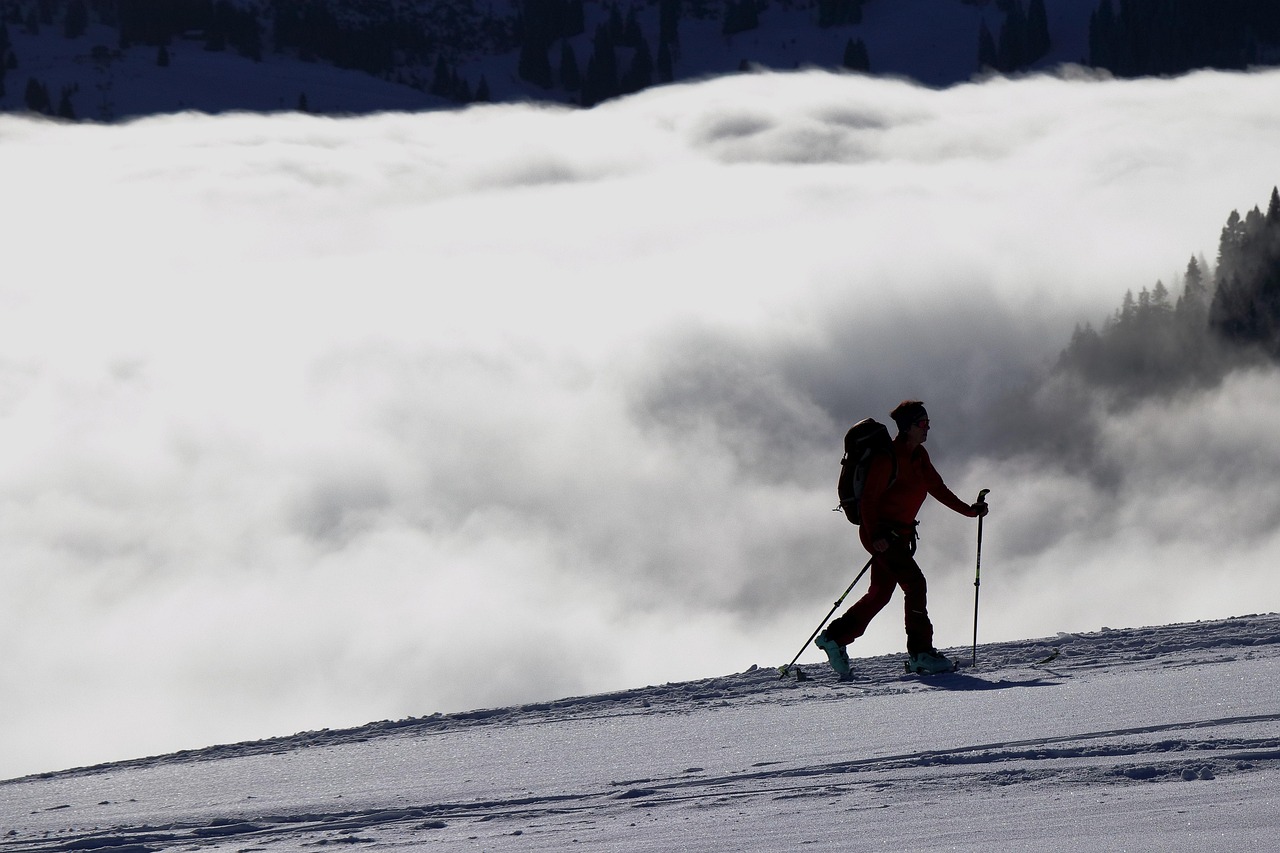
A ski touring trip to Iceland combines snow-covered mountains, deep fjords and dramatic ocean views. The Troll Peninsula in North Iceland and remote parts of the Westfjords attract experienced ski mountaineers, while a properly equipped rental vehicle can help you move between mountain areas and trailheads.
However, ski touring in Iceland is a serious mountain activity. Avalanche conditions, rapid weather changes, wind, sea-level snow conditions and difficult winter driving all need to be considered. A 4×4 does not make mountain travel safe by itself, and a rental camper may not be suitable for all winter overnight conditions.
Why go ski touring in Iceland?
Few places combine mountains and ocean quite like Iceland. In some northern fjords, touring routes climb from close to sea level towards broad ridges and summits with spectacular views. Beyond the skiing, a road trip gives you time to explore fishing villages, geothermal bathing spots and extraordinary northern light.
Conditions and access vary widely by region and week. Choose objectives based on your experience and current local information rather than simply following photographs or old route descriptions.
Best time for ski touring in Iceland
The ski touring season can extend from winter into spring, with March to May often appealing because daylight gradually increases. Snow coverage, avalanche problems and weather vary greatly by location and elevation; no particular month guarantees safe or good touring.
For other Iceland activities and seasonal driving advice, see our guide to the best time to visit Iceland.
Where to go ski touring in Iceland
Tröllaskagi and the northern fjords
The Tröllaskagi Peninsula around the northern fjords is one of the country’s best-known ski touring regions. Its mountains rise above the sea, and the region contains a wide range of terrain. Pick routes appropriate for the current avalanche forecast and your experience; local professional guidance can be especially useful for a first visit.
The Westfjords
The Westfjords offer remote mountain scenery and a sense of isolation. The region also involves long, winding drives, potential winter road closures and limited facilities outside the main settlements. Build in spare travel time and do not underestimate logistical planning.
Other mountain regions
Iceland has many other areas with ski touring possibilities, but snow quality, road access and avalanche exposure are local and highly variable. Rather than planning a rigid list of peaks, choose a region and check current conditions when you arrive.
Which rental vehicle works for a ski touring road trip?
See our Iceland 4×4 motorhome and truck camper guide to compare living space. Confirm heating, winter equipment and rental conditions directly for your ski trip.
A suitable 4×4 with winter tyres may offer more practicality for reaching approved winter road trailheads and carrying equipment. But comfort and access matter as much as drivetrain.
- Winter driving equipment: confirm the type of tyres, roadside assistance arrangements and any restrictions in the rental agreement.
- Room for skis and wet equipment: check storage length, boot space and secure transport options.
- Insulation and heating: check whether the camper is designed for winter overnight use; do not assume a rooftop tent is appropriate.
- Road permissions: verify where you are allowed to drive. F-roads are not generally available for conventional winter self-drive trips, even in a 4×4.
Find 4×4 and camper rental options in Iceland through Pampa Cruz and ask the rental partner about winter suitability, equipment and road restrictions before booking.
A sample one-week Iceland ski touring road trip
For a first ski trip, consider focusing on a single northern region rather than trying to combine all Iceland. A flexible week could include arrival in the Reykjavík area, a transfer north when the roads are suitable, several days near Tröllaskagi and Akureyri, and a generous return buffer.
Make each day dependent on local weather, avalanche conditions and your energy levels. Build in rest days, sightseeing and alternative lower-risk activities rather than committing to a summit every morning.
Avalanche and mountain safety
Mountain travel can expose ski tourers to avalanches, cornices, sudden storms and rapidly changing visibility. For unfamiliar terrain, consider joining a qualified local guide and carrying the appropriate rescue equipment, including a transceiver, shovel and probe, with the training needed to use them.
Check the Icelandic Meteorological Office for weather and available avalanche information, and SafeTravel for travel warnings. Where relevant, plan with local mountain professionals. Turn back whenever the conditions exceed your ability.
Glacier skiing introduces additional crevasse hazards and requires specialised experience and equipment. Do not attempt glacier travel without the necessary skills or professional guidance.
Camping and accommodation in winter
Many Icelandic campsites have limited winter opening schedules, and exposed overnight parking is not a substitute for an authorised campsite. Overnight stays with campervans or rooftop-tent vehicles outside organised campsites generally require landowner or rights-holder permission. Check the official regulations before the trip.
Combine ski touring with an Iceland road trip
Even on a ski-focused journey, you may want time for Akureyri, coastal walks, geothermal pools and local culture. For other seasons, read our hiking and road trip guide and our Ring Road vs Highlands comparison.
Frequently asked questions
When is the best time to ski tour in Iceland?
Winter and spring offer possibilities, with March to May often providing more daylight. Current snow conditions and avalanche risks matter more than any fixed date.
Can I sleep in a camper during an Iceland ski tour?
Potentially, if the specific vehicle is winter-ready and you stay at an authorised site. Confirm heating, insulation, winter campsite access and equipment with the rental partner.
Is a 4×4 enough for winter mountain road access?
No. Some roads close regardless of vehicle type. Respect closures and never drive off-road or on unauthorised routes.
Should I hire a ski guide?
A local professional guide is strongly recommended if you are unfamiliar with Icelandic avalanche terrain, conditions or complex mountain travel.
Planning a ski touring road trip? Compare Iceland adventure vehicles and send a free, non-binding request to confirm winter equipment and rental conditions.