

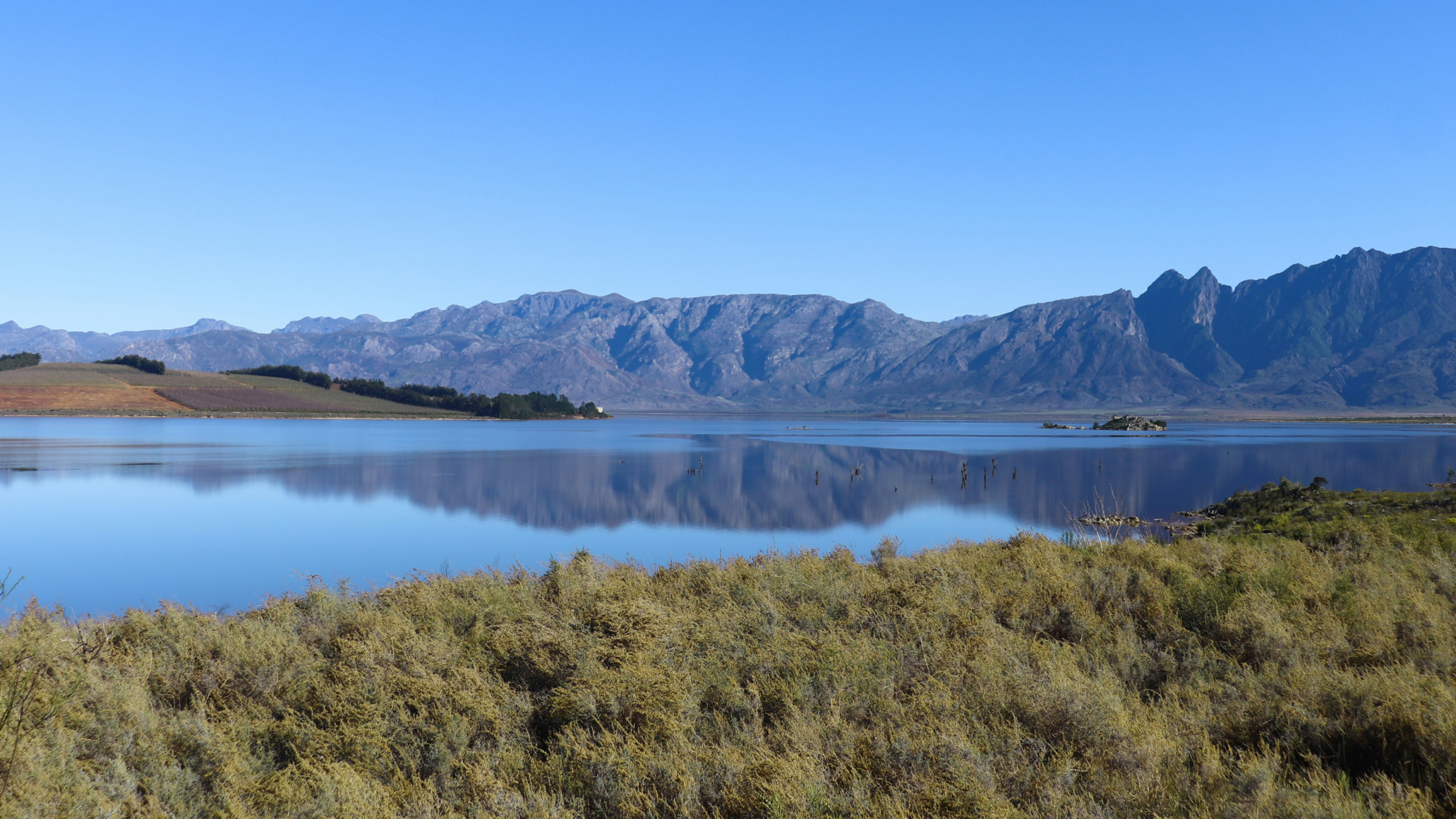
A useful South Africa road trip budget starts with your actual dates, route and vehicle. A rooftop tent trip with booked campsites will have a different cost structure from a journey mixing camping, guesthouses and guided activities. A daily rental price alone will not tell you what either trip will cost.
Build the budget in separate sections, then compare quotes on the same basis. This guide covers vehicle hire, fuel, overnight stays, park fees and the extras to check before committing to a 4×4 rental.
What to include in your South Africa road trip budget
Start with these categories:
- Vehicle rental for the full period, including any agreed options and collection or return charges.
- Fuel, tolls, parking and any mileage charges.
- Campsites, park accommodation, guesthouses or other overnight stays.
- Park conservation fees, admission bookings and paid activities.
- Groceries, meals out, drinking water and everyday supplies.
- Travel insurance, any chosen vehicle cover options and a contingency allowance.
- International flights, connecting transport and any accommodation needed before collection or after return.
Keep shared costs, such as a single vehicle rental, separate from costs charged per traveller, such as many park fees. This makes it easier to compare a couple’s trip with a family holiday or a journey with friends.
How much does a 4×4 rental cost?
Use a quote for the exact vehicle and travel dates. Compare the total for the full rental period, since a headline daily price may not include every item you need. If your dates are flexible, request comparable alternatives rather than assuming a particular month or a longer booking will automatically be cheaper.
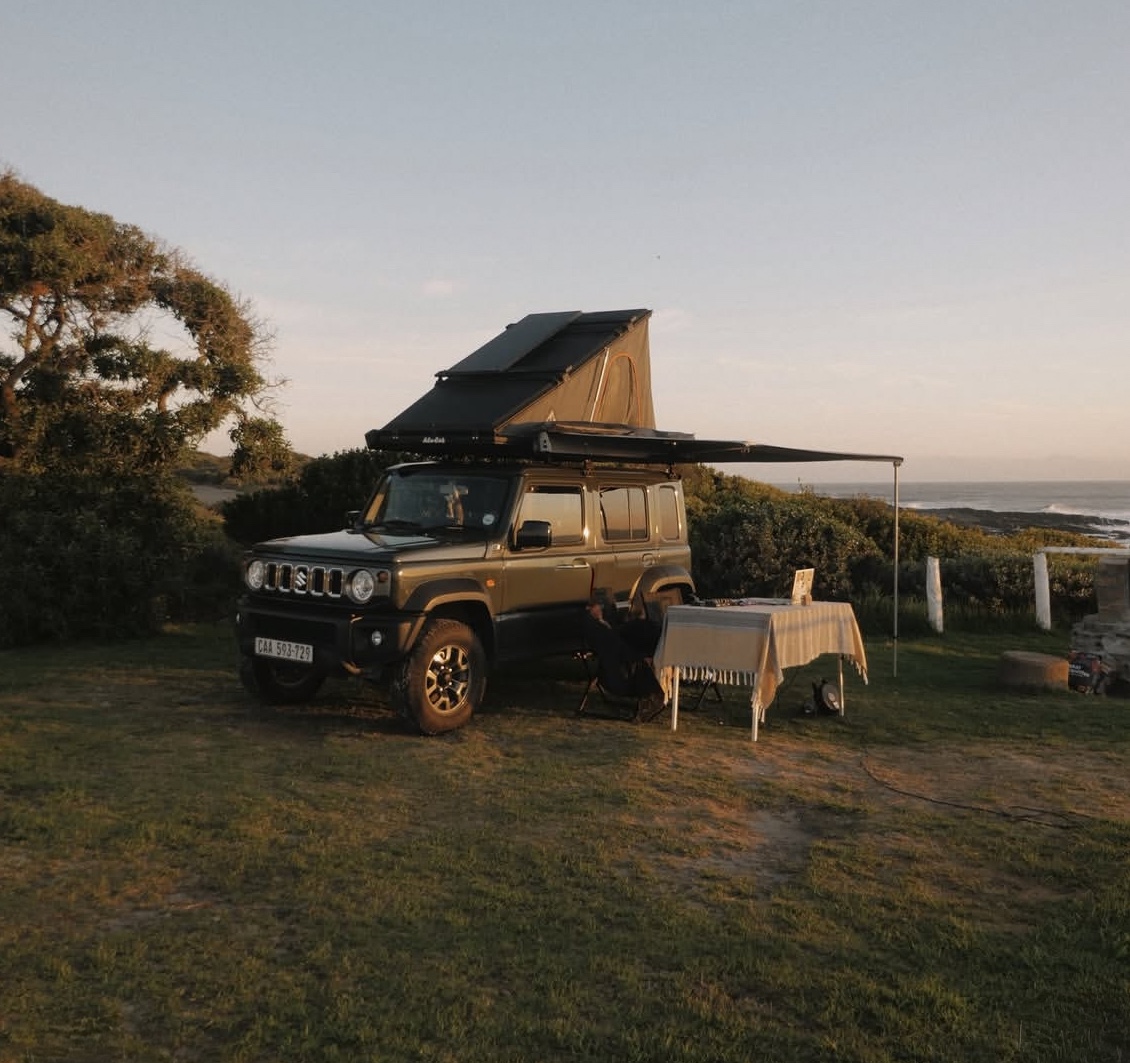
Pampa Cruz’s South Africa catalogue includes rooftop tent 4x4s and pick-up campers. Compare the specific arrangement, not just the vehicle type: confirm belted seats, sleeping places, gearbox, storage and the equipment supplied. For a family or a group, enough sleeping space does not by itself establish enough suitable travelling seats.
Start with the South Africa 4×4 rentals on Pampa Cruz, then check the information and request a quote for your preferred vehicle and dates. A published listing does not establish availability for a particular trip.
Compare what is included and what costs extra
Use the same checklist for each quote: rental duration, included kilometres, extra-kilometre charges, additional drivers, camping kit, bedding, cooking equipment, fridge or cooler, child seats if required, and any cleaning or return conditions. Confirm which items are included, optional or unavailable on that vehicle.
Check the exact handover and return location. A delivery service, an airport transfer and a different-city return are different arrangements; each needs its own confirmation and price. Do not build a one-way itinerary until the return is accepted.
Estimate fuel, tolls and route costs
Begin with the distance between your confirmed collection point, overnight stops and return point. Add the local journeys you expect to make, such as shopping trips and permitted park drives. A route with fewer long transfers may leave more room in the budget and more time at each stop.
For a working fuel estimate, multiply planned kilometres by the vehicle’s estimated consumption in litres per 100 km, divide by 100, then multiply by the fuel price used in your calculation. Ask which consumption figure is appropriate for the vehicle and allow for uncertainty. Confirm whether it takes petrol or diesel before using that estimate.
Record the fuel-price date, and update it near departure. Add tolls and parking separately so they do not disappear inside a broad daily allowance. If your route exceeds the agreed mileage allowance, include the confirmed extra-kilometre rate.
Budget for every overnight stop
Camping can be part of the appeal of a rooftop tent or pick-up camper, but it still requires an overnight budget. Price each planned stop for your actual party, dates and vehicle. Check whether the quote is per site, per person or based on a stated number of guests, and whether electricity or other facilities cost extra.
For SANParks camps, the official rules require overnight visitors to use booked, recognised facilities. They also state that the camping base rate includes one motorised vehicle, with an additional vehicle charge applying. Confirm the complete booking total for your setup.
Allow for any guesthouse nights you want between camping stays, and check whether your first or last flight requires an extra night. A rooftop tent does not make an unbooked roadside stop a permitted substitute for accommodation.
Park fees: an example using Kruger’s published rates
Park conservation fees need their own line in the budget. They can depend on the park, the visitor’s eligibility category, age and dates. Do not assume a campsite price covers park admission or that the same fee applies throughout South Africa.
For 1 November 2026 to 31 October 2027, SANParks lists Kruger’s standard international daily conservation fee as R692 per adult aged 12 or over and R345 per child aged 2 to 11. Separate South African and SADC categories are listed, so check which category applies to you on the official Kruger rates page.
As an illustration, two adults paying that standard international rate for three chargeable days would budget R4,152 for conservation fees alone: R692 × 2 × 3. That is not a trip package price. Camping or accommodation, activities and any separate booking charges still need to be added. SANParks also lists a 1% community fund charge on accommodation and activity reservations.
For a day visit, check the Kruger advance-booking arrangements. The advance booking fee is separate from conservation fees. If you are considering a Wild Card, compare the current product, eligibility and participating parks with the visits you actually plan; do not assume it covers the whole park stay.
Insurance, the security deposit and contingency money
Ask for the insurance terms applying to the chosen vehicle, including the cover included in the quote, optional cover, the excess and relevant exclusions. Check how tyres, glass, the underbody, recovery and the roads you intend to use are treated. The presence of a 4×4 or camping equipment does not answer those questions.
Keep the security deposit separate from the holiday’s expected spending. Confirm the amount, how it is taken, the accepted payment method and the release conditions. A deposit is not the same as an insurance excess: the excess is the amount you may have to contribute towards a covered claim under the applicable terms. Neither figure, on its own, describes all potential liability.
Personal travel insurance is another separate decision. The FCDO’s South Africa advice recommends cover for the itinerary, planned activities and emergency expenses. Set aside contingency money for changes to the trip as well; it does not replace suitable insurance.
If you want to add Namibia, Botswana or another country, obtain written approval and a complete cost breakdown first. Confirm the documents, border charges, return arrangements and insurance territory. This South Africa budget does not establish permission for a cross-border rental.
Adapt the budget to your travelling group
A couple on a two-week trip
Price the vehicle for your actual collection and return times, then list the nights you expect to camp and any guesthouse stays. Add groceries, meals out and a few chosen activities. Comparing two realistic accommodation mixes is more useful than relying on an unexplained daily average.
A family with children
Confirm the vehicle’s travelling seats, restraint arrangements and sleeping layout before comparing prices. Use each child’s age for the relevant accommodation, park and activity charges. Include rest days and enough space in the itinerary for slower journeys; filling every day with a transfer can make both the pace and the budget harder to manage.
A group of friends
Share the costs that are genuinely shared, such as a vehicle rental and its fuel. Keep admission fees, meals and individual activities separate. Confirm that the vehicle has the approved seating and sleeping capacity for everyone, and agree how to handle optional activities and extra-driver charges.
Reduce costs by changing the plan thoughtfully
- Compare alternative dates using equivalent vehicle and accommodation quotes.
- Spend longer in selected places when that reduces unnecessary driving.
- Plan some meals at camp if the required cooking and food-storage equipment is included or costed.
- Choose the activities you most want to do, then include their full cost before booking the rest of the trip.
- Keep a contingency allowance instead of committing every part of the budget in advance.
Record each quote in its billing currency, with the date and included items. Convert to your own currency using the rate and payment charges relevant when you pay, and keep room for exchange-rate movement. SANParks publishes its rates in South African rand and notes that prices can change; recheck the current rates and fees before finalising your park budget.
Turn the estimate into a trip you can book
Keep flights visible as a separate category when comparing trip lengths, then include them in the full holiday total. For an on-the-ground daily average, divide those trip costs by your chosen number of travel days and use the same method for every option. Keep the security deposit and available emergency funds visible alongside that total.
Compare 4×4 and camper rentals in South Africa, confirm the vehicle, dates and handover arrangements, and build the rest of the budget around the resulting quote.
More South Africa road trip guides
- Driving in South Africa: practical road trip advice
- Planning a family safari in South Africa
- Planning a surf road trip in South Africa
- Choosing the best time for a South Africa road trip
- Planning campsites for a rooftop tent road trip
Official sources checked on 10 November 2026. The Kruger fee example is dated and applies only to the stated visitor category and period. Rental availability, quotes, exchange rates and park charges should be checked again for your travel dates.