

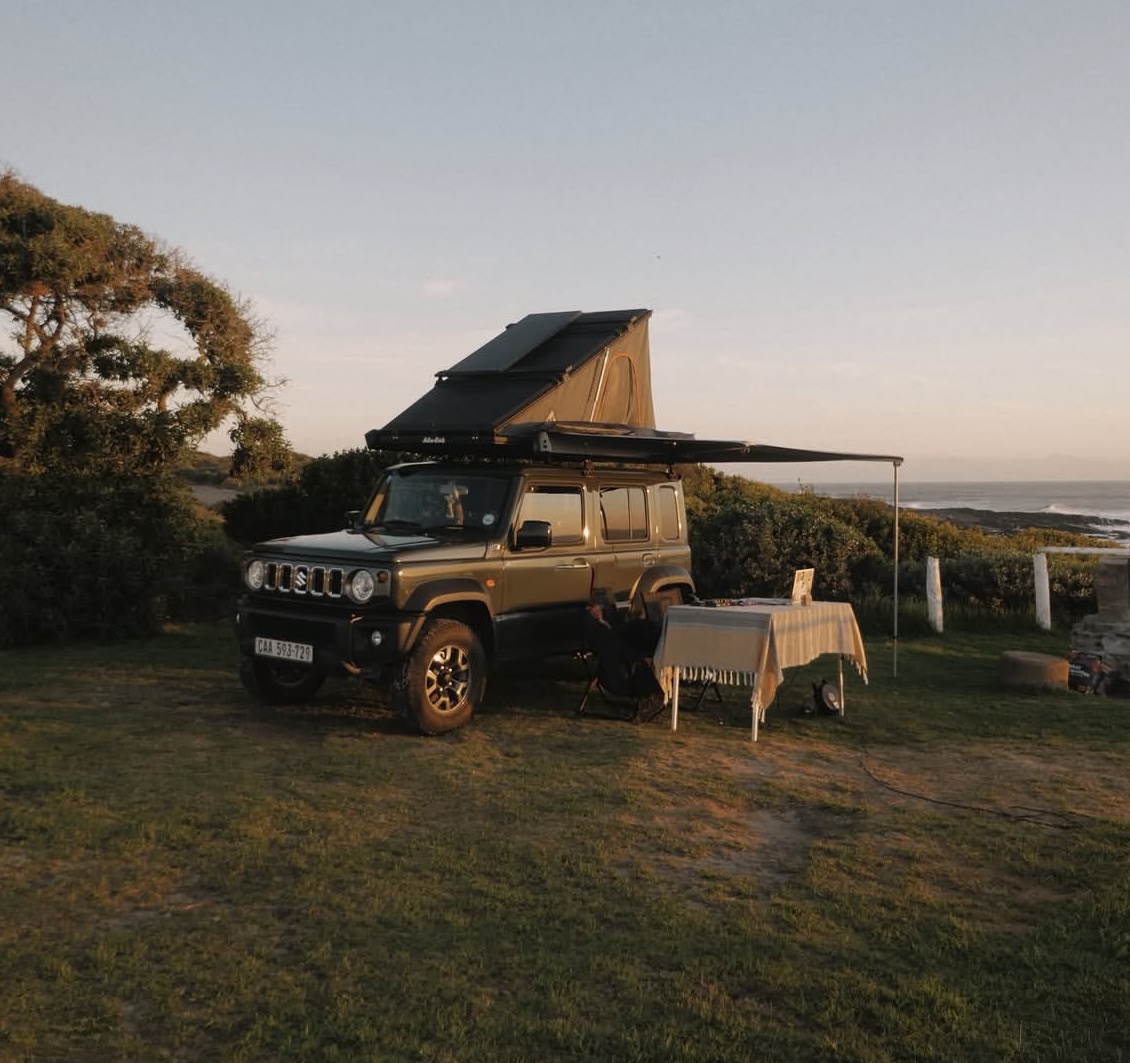
The best time for a South Africa road trip depends on where you want to go and how you want to spend your days. A trip focused on Kruger needs a different seasonal plan from a holiday around Cape Town. If you are camping in a rooftop tent, overnight temperatures, rain and wind matter just as much as daytime sunshine.
Start with your main priority: wildlife, the coast or a manageable combination of a few regions. Then explore the 4×4 and camper rentals listed for South Africa and check the arrangements for the particular vehicle you would like to hire.
Use the seasons as a starting point
South African Tourism’s seasonal calendar places summer in December to February, autumn in March to May, winter in June to August and spring in September to November. The seasons are reversed if you are travelling from Europe or North America.
The South African Weather Service explains that seasonal transitions differ across the country. Calendar months are useful labels, but they do not describe the same conditions everywhere. March, April, September and October are therefore not automatic windows of perfect weather. If you want to combine regions, assess each part of the trip separately.
Kruger and the northeast: dry months or a greener summer?
April to September: a starting point for a safari trip
SANParks’ Kruger climate guide describes April to September as the drier period, with warm days and cold nights. Thinner vegetation can make wildlife easier to spot. October to March brings hotter, rainier conditions and denser foliage.
If wildlife viewing is your main reason for travelling, consider the dry months first, without treating any season as a guarantee of sightings. For camping, ask exactly what bedding comes with the vehicle and pack for chilly mornings. Plan overnight stops alongside your safari days, especially if anyone in your group finds cold weather uncomfortable.
Summer: leave room to adjust the plan
You might prefer greener scenery, or have fixed holiday dates in December. Build a schedule that can respond to conditions on the day rather than depending on one particular track for every stage. Check park information and accommodation bookings before committing to the overnight plan. Our guide to a family self-drive safari in South Africa helps you think through the pace of the trip and sleeping arrangements.
Cape Town and the peninsula: drier summers, with wind to consider
The Table Mountain National Park climate guide describes warm, generally dry summers and cooler, wetter winters. It also highlights strong winds in both seasons. Drier weather does not mean that every campsite or every night will suit the same camping setup.
For a coast-focused holiday, summer is a sensible period to consider if drier conditions are a priority. Still check the local forecast before choosing an outing or pitching for the night. Ask for the operating instructions for the rooftop tent and awning; a photograph taken on a sunny day tells you little about their use in strong winds.
A winter visit calls for a different plan: activities that can move between days, wet-weather clothing and suitable accommodation if you would rather avoid camping in rain. Keep that flexibility in spring and autumn too, instead of expecting a change in the weather on a particular date.
The Garden Route: allow for rain in any season
For the Garden Route, SANParks describes a temperate climate with rainfall throughout the year. A trip around Wilderness, Knysna or Tsitsikamma should leave room for wet weather, even if you begin in sunshine around Cape Town.
Allow time to move a walk to another day, dry your kit and change an activity without rebuilding every booking. Choose stops for the places you actually want to explore, then check local conditions. Adding long drives in pursuit of a promised patch of sunshine can make the holiday less enjoyable.
South African Tourism highlights Easter and the December holidays as busier periods. For those dates, check your preferred campsites and vehicle early. That pattern does not establish a price or prove availability: compare quotes for the same dates, using our South Africa road trip budget guide to identify the costs to include.
Mountains and coasts: look beyond the daytime forecast
Check the conditions where you will sleep
The South African government’s geography and climate overview explains that altitude moderates inland temperatures, with freezing winter nights possible in some areas. At Golden Gate Highlands National Park, SANParks notes possible afternoon thunderstorms in summer and cold winters with occasional snow.
If you add a mountain stop, check the forecast for the place where you will actually spend the night, rather than relying on the nearest city’s daytime temperature. Different bedding or a night in a building may suit that part of the journey better. These examples explain the importance of elevation; they are not a proposed itinerary or confirmation that a particular road is open.
Separate coastal weather from sea conditions
The cold Benguela Current in the west and warm Agulhas Current in the east help explain the differences between the coasts, as the same government overview sets out. Comfortable air temperatures alone do not tell you whether a beach is suitable for swimming or surfing. Check the specific spot and use our South Africa surf road trip guide to plan the coastal part of your holiday.
Five checks before you settle on your dates
- Choose your main region and activity. If your holiday dates are fixed, adapt the stops to that period instead of trying to fit every region into one trip.
- Confirm the actual collection and return locations and times. Work out driving distances and overnight stops afterwards; a place mentioned in this guide is not confirmation of a rental departure point.
- Ask about sleeping arrangements, bedding, ventilation and setup instructions. A rooftop tent or pick-up camper does not guarantee the same comfort in every kind of weather.
- Check the bookings for your overnight stops, then the SAWS forecasts and warnings close to departure. Also read the relevant park’s notices, such as Kruger visitor notifications.
- Confirm which roads your rental agreement permits and check the insurance conditions separately. SANParks rules require visitors to use designated roads and booked, recognised overnight facilities. Having a 4×4 does not override a closure.
Our guide to driving in South Africa covers road rules and preparation in more detail. Once you have chosen your priorities and dates, compare South Africa 4×4 and camper rentals and prepare an enquiry with your intended route, overnight stops and equipment needs.
Once you have chosen your travel period, use our guide to planning campsites for a South Africa road trip to organise the overnight stops.
Official sources checked on 10 November 2026. The climate patterns described here are not a weather forecast for your travel dates.