

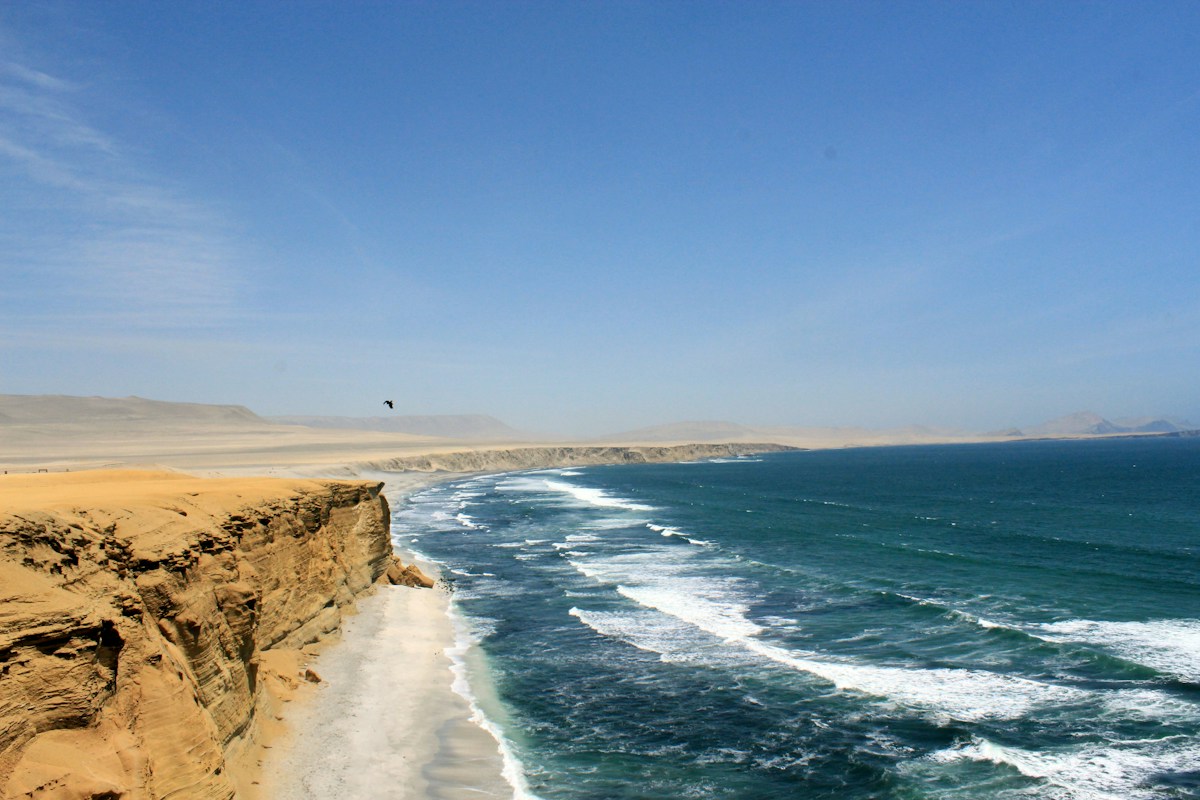
Cover photo: Matthijs Idema / Unsplash.
Updated 19 November 2026. Lire en français
A camper road trip in Peru is planned around overnight stops as well as sights. Where can you actually set up? How will you refill drinking water, charge essential devices and reach the next stage with enough fuel? Settling these questions makes the journey more comfortable and avoids looking for somewhere to sleep after dark.
A workable plan combines realistic driving days, authorised overnight locations and equipment confirmed for your particular vehicle. Official information in this guide was checked on 19 November 2026. Start with our Peru road trip itineraries when choosing the route.
Confirm the camper equipment before booking
“4×4 camper” does not describe the same setup on every listing. Use the actual vehicle details and ask about the features that matter to your group. A photograph of a rooftop tent does not establish its sleeping capacity, bedding or cooking arrangements.
| Need | Questions to ask |
|---|---|
| Sleeping | Sleeping places, bed dimensions, bedding, tent access and setup in wind or rain. |
| Water | Containers or tank, documented capacity, drinking or utility use, and refill procedure. |
| Cooking | Stove, suitable fuel, cookware, food storage and restrictions on use. |
| Power | Sockets, any auxiliary battery, charging methods and compatible devices. |
| Daily living | Table, chairs, storage, lighting and arrangements for toilets. |
Check the space needed when the tent is open, including height and access. Being able to park a vehicle in a space does not mean you can deploy its sleeping area there. Our road trip budget guide helps account for extra equipment and occasional accommodation.
Parking, sleeping and camping require different checks
An accessible car park is not automatically an authorised overnight stop. Permission to sleep inside a vehicle may also differ from permission to open a rooftop tent, put out furniture or use a stove.
Choose a campsite, accommodation that explicitly accepts your setup, or another location whose responsible manager confirms the intended use. Describe how you will sleep and ask about toilets, access hours, late arrival and the total charge. Keep a suitable alternative nearby, especially for the first evening.
A community camping app can suggest possibilities, but an old review is not proof of current permission or security. French official travel advice specifically warns against sleeping on the beaches bordering Lima. Arrange your arrival and departure nights in advance rather than treating an urban beach as a default campsite.
Protected areas: check the specific sector
The word “reserve” does not establish one nationwide camping rule. Entry, driving, hiking and sleeping can each have different conditions. Permission from the protected area also does not replace the rental company’s approval for an access road.
Paracas: confirm current overnight permission
Older publications describe camping areas on certain beaches. They are not enough to guarantee an overnight stay with your vehicle today. The official Paracas page sets out entry controls and visitor routes. Ask the manager which sector, setup and hours are allowed. Keep an authorised overnight option outside the reserve if permission has not been established.
Huascarán: follow the park’s visitor arrangements
The current SERNANP page for Huascarán National Park requires authorised tourism operators. It also describes camping activities and areas, but this does not mean that a vehicle with a rooftop tent can use every site. Laguna 69 is reached on a hike, not by driving to the lake.
San Fernando: request the visit beforehand
San Fernando National Reserve asks visitors to contact its management in advance and describes camping areas in certain sectors. Confirm the route, vehicle, overnight permission and services. A designated camping zone does not by itself guarantee drinking water, showers or electricity.

A practical routine before setting up
- Arrive in daylight. Allow enough time to move on if access or the welcome does not match your plan.
- Confirm permission. Establish where to park, what you can set up and the boundaries of the site.
- Look at the ground and surroundings. Avoid traffic routes, riverbanks, drainage channels and obvious hazards.
- Use the equipment as instructed. Follow the tent’s operating and weather limits, together with local cooking rules.
- Prepare the next stage. Check water, fuel, device charge and departure time, and keep the vehicle keys accessible.
Store food and rubbish securely, respect the quiet of the location and ask where wastewater may be disposed of. Leaving a clean site remains part of the routine when there is no collection service. Use a stove only in an appropriate, permitted place and according to its instructions, never inside a closed tent or vehicle.
Drinking water: separate supplies and uses
Identify the water intended for drinking and the supply used for washing or other tasks. Do not assume that water in the vehicle’s tank is safe to drink: confirm its intended use and maintenance procedure. Clear water or an available tap is not evidence of drinking quality.
Use water of known drinking quality, or an appropriate treatment method used correctly. Keep containers clean, closed and labelled. To plan the amount, consider the number of travellers, meals, heat and time until the next reliable refill; add a reserve for delays. The vehicle’s documented capacity should determine your storage plan, rather than a general claim of several days’ independence.
Turn a refill stop into a short reset: dispose of rubbish properly, use available toilets and check the next overnight location. Handling these needs together is easier than waiting until each one becomes urgent.
Fuel, power and offline navigation
Confirm the correct fuel and identify suitable stations before remote stretches. Facilito, provided by Osinergmin, helps locate fuel retailers and check prices. Use it to plan stops, then verify local supply. Load, terrain and driving conditions mean that a theoretical range should not be treated as a guarantee.
List your essential devices: phone, navigation, lighting and any personal equipment. Check compatibility with the vehicle’s sockets. Charge when there is a reliable opportunity and keep a separate power bank for communication. A solar panel or socket visible in a photograph does not establish enough power for every appliance you might bring.
Download maps, bookings and important contact numbers before losing coverage. For a remote stage, share your intended destination and a time to expect an update. Our guide to driving in Peru explains road alerts, route permissions and assistance arrangements.
Plan each night for the weather and altitude
PROMPERÚ’s climate guidance distinguishes the coast, Andes and Amazon. Sunny Andean days can be followed by cold nights. Choose bedding and clothing for the actual stage and keep an indoor accommodation option when conditions exceed the tent’s operating limits.
Plan a gradual approach to altitude even when travelling by car, following the CDC’s altitude guidance, and seek individual medical advice where appropriate. Our best time to visit Peru guide helps with the seasonal choice; local forecasts remain essential.
Frequently asked questions
Can I sleep anywhere with a rooftop tent?
No. Check permission both to stay overnight and to deploy the tent. Rules for a parking area, private land and a protected area are not interchangeable.
Should every night be a camping night?
Mixing camping with accommodation can make showers, laundry, rest and weather changes easier to manage. Choose the balance around your group and the facilities actually available.
How should I choose a vehicle?
Start with the route, traveller numbers and sleeping requirements. Confirm the specific equipment and permitted roads before relying on a particular level of independence.
The rental request is free, with no commitment and no immediate payment. Vehicle availability, equipment and conditions must be confirmed.