

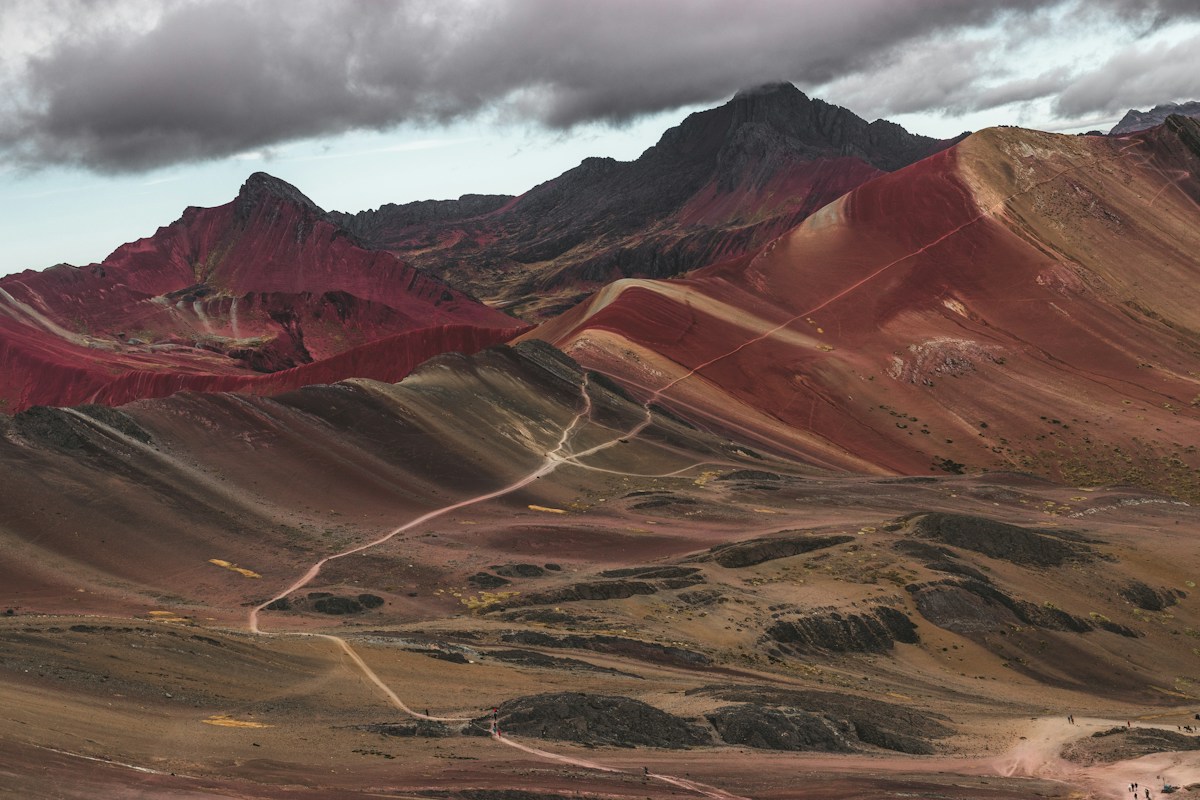
Cover photo: Jan Kronies / Unsplash.
Updated 19 November 2026. Lire en français
The best time for a Peru road trip depends on where you plan to drive and sleep. A coastal loop, a journey through the Andes and an Amazon extension need different planning. Start with the region that matters most to you, then choose dates and a vehicle around that route. A favourable season is a useful starting point; it does not confirm that a particular road, campsite or attraction will be accessible.
This guide explains how to use the seasonal patterns without building an inflexible schedule. Once you have chosen your priorities, use our two- and three-week Peru road trip itineraries to organise driving days, overnight stops and time away from the vehicle.
Compare the coast, Andes and Amazon
| Region | Seasonal starting point | Planning implication |
|---|---|---|
| Andes | Generally drier April–October; wetter November–March. | Prepare for cold nights and check individual routes. |
| Coast | Warmer in the southern summer; winter can be humid and foggy. | Match dates to activities and local visibility. |
| Amazon | Humid throughout the year; generally less rain April–October. | Check transfers and excursions separately. |
The broad patterns come from PROMPERÚ’s climate information. Local conditions can differ from this national overview.
Planning mountain travel in the Andes
Build a mountain route around choices rather than a sequence of compulsory transfers. A viewpoint can be optional; the following night should not depend on completing every activity. Combining a demanding drive, a hike and a late arrival gives you little room to change plans. A shorter day with an established overnight option is easier to adjust.
Check the guidance for the specific area you want to visit. For example, SERNANP recommends May–October for Huascarán National Park. That recommendation does not grant unrestricted vehicle access: the park’s entry arrangements and the conditions of the chosen route still apply.
Altitude preparation is a separate decision from season. The CDC advises gradual ascent; fitness and travelling by car do not remove the risk. Allow actual acclimatisation nights and retain the option to skip a higher stop. Treat the itinerary as adjustable to the travellers, rather than treating a booked date as a reason to keep climbing.
Choosing dates for a coastal road trip
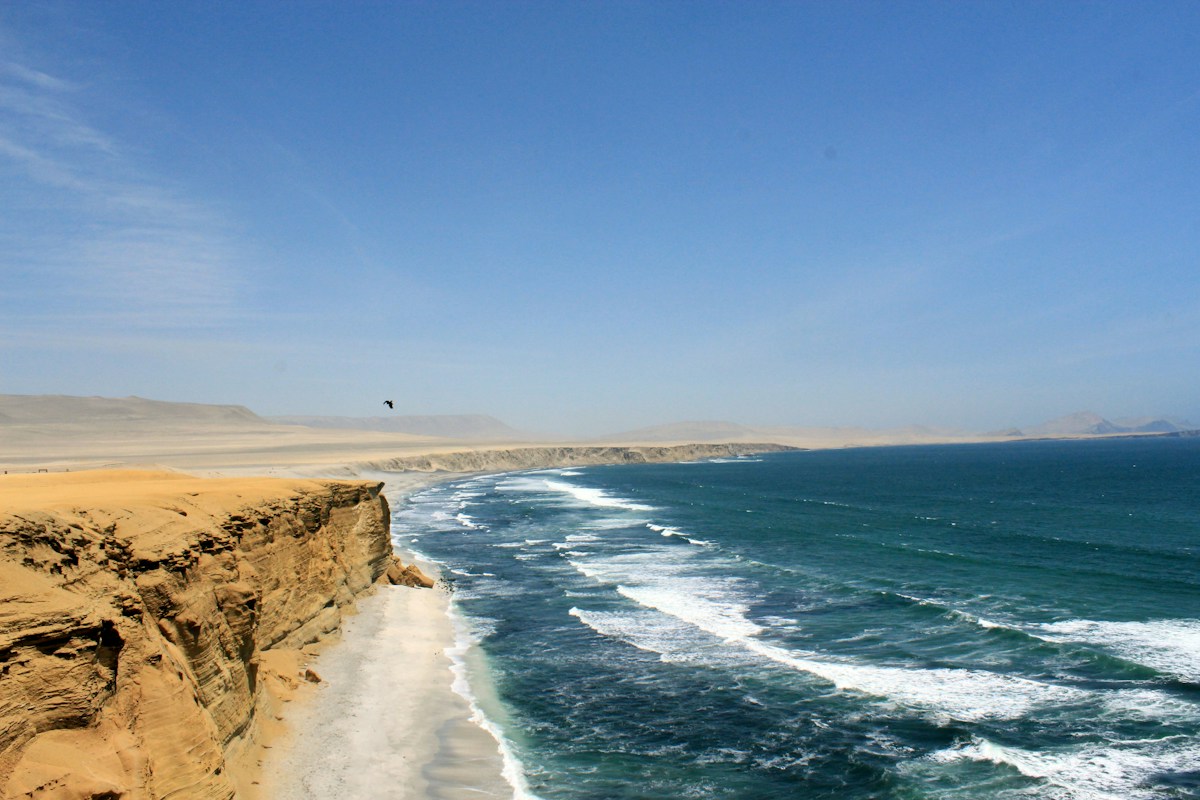
Start by deciding what you want your coastal days to contain. Beach time, a Paracas visit, a boat excursion and archaeological sightseeing are different priorities. Check the requirements of each activity instead of assuming that a warm forecast makes every plan possible. If an excursion matters especially to you, give it more than one possible day.
Keep nearby visits interchangeable. Staying in the same area for another night can make it possible to rearrange an activity without immediately losing your next reservation. Choose overnight stops for their permission, access and practical facilities as well as their setting. A photograph of an attractive beach does not tell you whether sleeping there is appropriate or authorised.
Adding the Amazon to a driving holiday
Define where the driving portion ends and how the next part begins. Do not assume that your rental vehicle can accompany you to a lodge or into a protected area. Ask for the exact meeting point, transfers, guiding arrangements and baggage restrictions before connecting the excursion to your driving schedule.
You may prefer to arrange an Amazon extension after returning the vehicle. Compare that option with keeping it parked during an excursion: include the extra rental days, suitable parking and the return journey. Neither arrangement is automatically available everywhere. The right choice depends on the actual excursion, the agreed return location and how much of the vehicle hire you would otherwise leave unused.
A dated weather alert for late 2026 and early 2027
Checked on 19 November 2026: the FCDO warns of expected El Niño effects through April 2027, including heavy rain, flooding and landslides, particularly on the northern and central coast. Recheck this alert when planning; it describes a specific period, not a permanent annual pattern.
For travel during that period, ask for a fresh assessment before fixing every overnight stop. Understand the change conditions of your reservations and identify a shorter version of the route. A useful alternative should stay on approved roads; it should not require improvising an unverified shortcut when the main route becomes unavailable.
What two or three weeks allow you to do
For a fourteen-day holiday, choose a connected set of destinations and protect the arrival and return days. With twenty-one days, use some of the additional time for two-night stays, a slower pace and changes to the plan. Seven extra days do not need seven additional places. The most useful extension may be time in an area you already wanted to explore.
A buffer has to exist in the calendar. A day containing a fixed, non-changeable activity is not spare time. Mark which visits you could remove and when the return journey takes priority. Price both the shorter route and the longer version using our Peru road trip budget guide, including any days when the vehicle would remain parked.
Prepare the sleeping arrangements
Before choosing a rooftop tent or a camper body, ask what bedding, ventilation and other equipment the specific vehicle provides. Do not infer heating, a water capacity or a particular level of autonomy from the vehicle category. Ask where wet belongings can be stored and how you would arrange a night indoors if necessary.
Organise clothing for the different parts of the trip and keep sleeping clothes dry. For each area, identify an alternative overnight arrangement: accommodation, an authorised campsite or an earlier stop. This makes a change of plan practical when you are tired. Our camping in Peru guide covers permissions, supplies and the questions to ask about life on board.
Three checks to repeat before driving
- Before booking: match your dates to the main region, then verify the vehicle, handover arrangements and any tickets that fix a day in your schedule. Write down what remains flexible.
- Before departure: reread official advice, request an updated route assessment and prepare alternatives. For the current climate situation, follow the official ENFEN information service and relevant local weather updates.
- Each morning: look at conditions along the whole route and at the destination, not only where you are waking up. Consult the SUTRAN road alert map and confirm secondary-road access locally. The absence of a mapped alert does not establish permission to use a road.
Make the decision before setting off, while you can still contact your next stop and rearrange a reservation. Save the information needed for the day, including the overnight address and a fallback. If conditions change, reassess the remaining daylight and the agreed route before continuing.
Frequently asked questions
Which month is best for seeing all of Peru?
No month guarantees the same conditions across the country. Choose the main region first and evaluate extensions individually. Our guide to Peru’s highlights and adventure activities helps you select places without scattering the route too widely.
Does a 4×4 make the trip weatherproof?
No. Vehicle capability does not replace an open road or rental permission. Check the intended surfaces, restrictions and alternatives before booking. See our driving in Peru guide for preparation and documents.
Can I request a vehicle before every day is planned?
Yes. Prepare your dates, traveller numbers and intended regions. A public listing does not confirm availability for those dates, and the vehicle’s conditions and handover arrangements still need confirmation.
Your rental request is free, with no commitment and no immediate payment. Availability and conditions must be confirmed for your dates and proposed journey.
Seasonal references and sources checked on 19 November 2026. Forecasts, alerts and access conditions can change.