

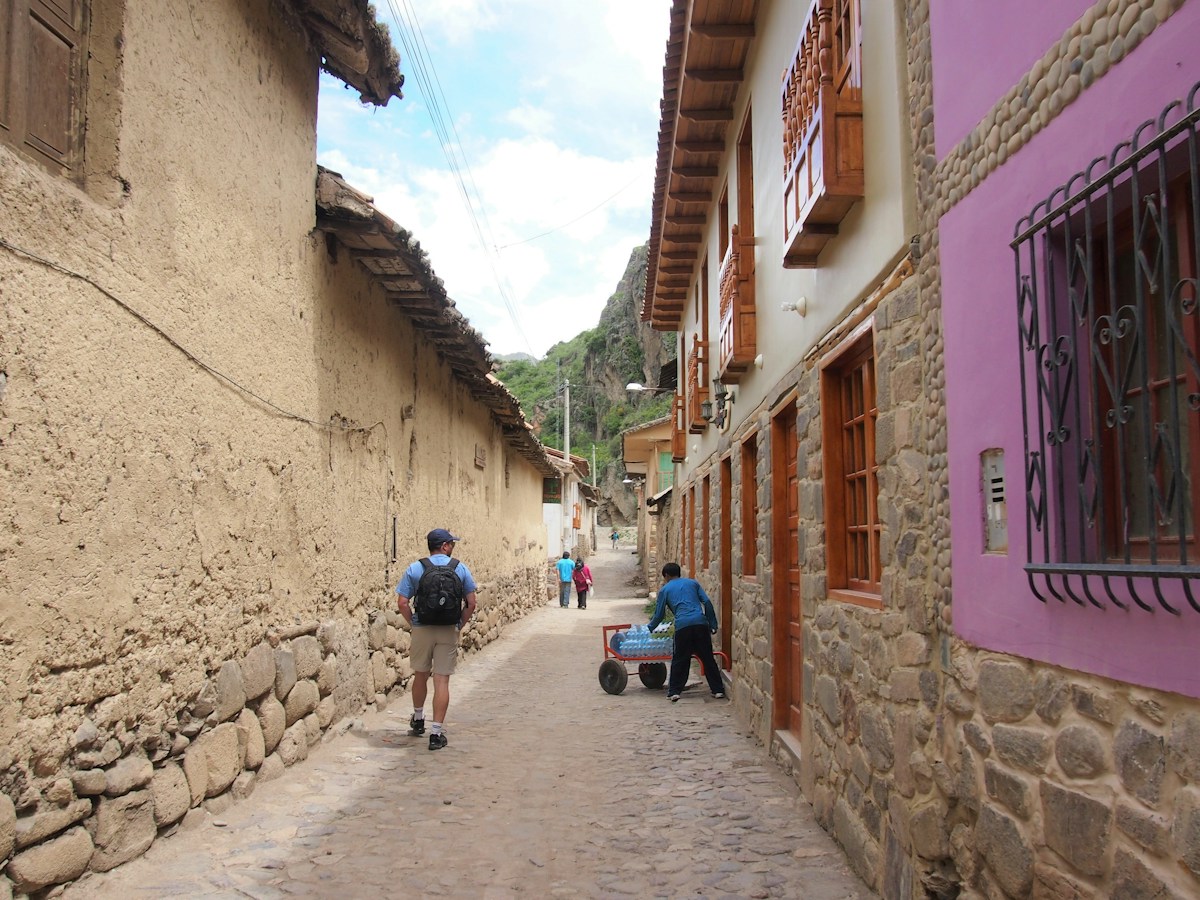
Cover photo: Deb Dowd / Unsplash.
Updated 19 November 2026. Lire en français
A Peru road trip budget starts with a specific vehicle, dates and route. An advertised daily rental price is only one part of the calculation. You also need the billed hire period, mileage allowance, handover arrangements, equipment and the costs of activities that take you away from the vehicle.
This guide gives you a method for comparing quotes and planning two or three weeks. It does not assume a market-average rental rate. Vehicle prices and conditions must come from the actual proposal for your journey.
Build the budget by category
Choose one currency for your final total and retain the original amounts alongside it. Start with the full rental quote, then add only the items that are not already included.
| Category | Input to obtain | What to check |
|---|---|---|
| Vehicle hire | Total quote for the dates and vehicle | Included taxes, options and fees |
| Mileage | Applicable allowance and excess rate | Daily limit or pooled trip allowance |
| Fuel | Distance, estimated consumption, local price | Correct fuel and matching units |
| Overnight stops | Authorised campsites, hotels, parking | Nights when the vehicle stays parked |
| Activities and transport | Tickets, excursions, trains, transfers | Per-person charges and inclusions |
| Daily living | Groceries, meals, water, phone data, laundry | Amounts for your actual group |
| Contingency | Reserve chosen for changes | Separate from known expenditure |
Add international flights separately if you want a door-to-door total. Keeping them apart makes it easier to compare alternative routes within Peru.
Count holiday days, hire days and nights separately
A trip arriving on day one and departing on day fourteen has thirteen nights in the country. It does not automatically require fourteen billed rental days. You might explore a city before collecting the vehicle, return it before an extension or keep it during an excursion. The quote should state the charged period using your exact collection and return times.
Write down three separate figures: days in Peru, billed hire days and nights to pay for. Assign an overnight arrangement to each night. Check your flight and handover times carefully: an ambitious connection can create an extra hotel night or transfer that a simple daily-rate calculation misses. Do not assume a late return is included.
Compare rental quotes on the same basis
Request a complete total for the services you have chosen. Check collection and return locations, delivery charges, additional drivers, equipment, cleaning and insurance arrangements. If a fee is already inside that total, do not count it again as an extra.
The word “insurance” does not describe every protection. Peru’s SBS distinguishes compulsory traffic-accident insurance from vehicle insurance. Ask about the excess, exclusions, assistance and permitted roads in your actual rental contract. Compare those conditions before selecting a quote solely because its headline price is lower.
Calculate excess mileage
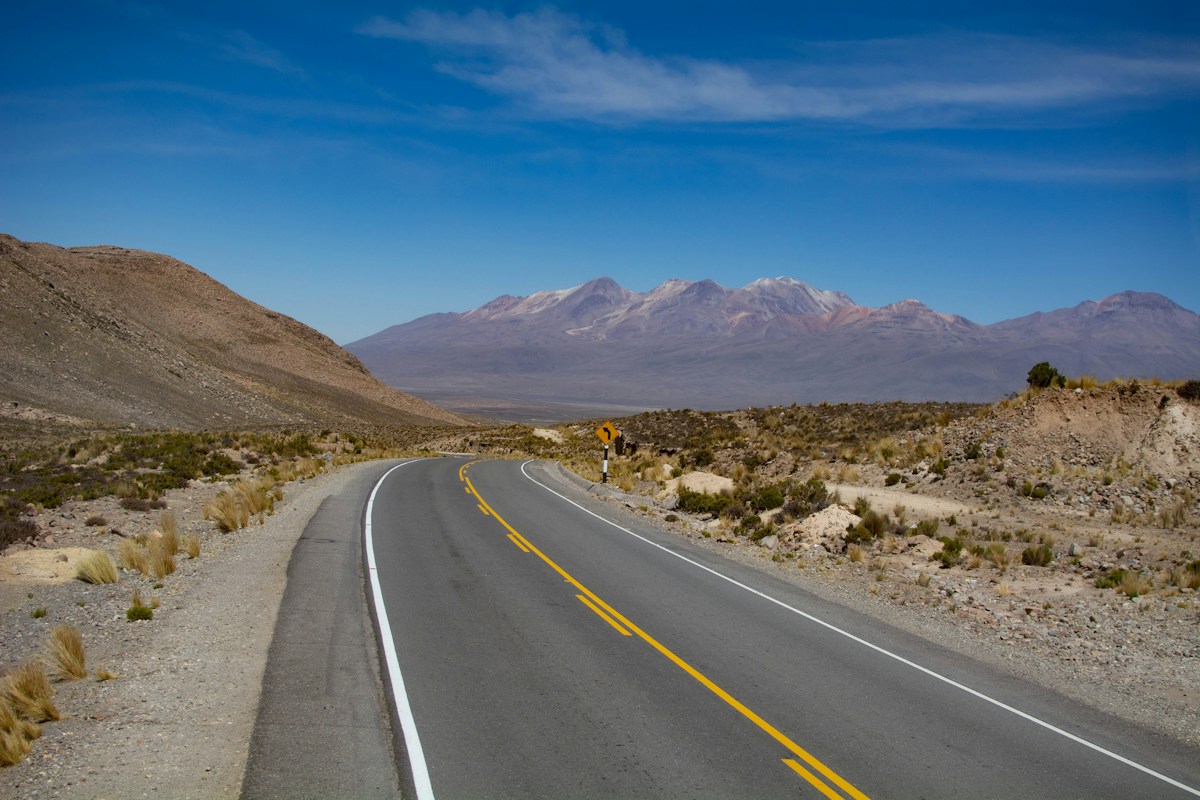
Add the main driving legs, then include journeys to overnight stops, fuel stations and activities. Where the contract allows mileage to be pooled, use the allowance for the whole hire. Where it uses another rule, apply that written rule. Do not automatically multiply a daily figure without checking how it works.
Calculation: chargeable excess distance is the greater of zero and your planned distance minus the permitted allowance. Multiply the result by the contractual charge per extra kilometre.
Illustrative example, unrelated to a Pampa Cruz offer: a 1,600 km route plus a chosen 10% distance buffer gives 1,760 km. If a fictional contract allowed 1,500 km in total, the excess would be 260 km. The charge would therefore be 260 multiplied by the rate in the quote. The 10% is a planning assumption, not a prediction of actual detours.
Estimate fuel using consistent units
Ask for an appropriate consumption estimate for the specific vehicle and intended route. Calculate kilometres divided by 100, multiplied by litres per 100 km, multiplied by price per litre. In the 1,760 km example, the estimated volume is 17.6 times the consumption figure expressed in litres per 100 km.
If the advertised fuel price uses a different unit, convert it before calculating. Osinergmin’s Facilito service provides station and price information by fuel type. Record the place and date of the price you use. It supports an estimate; it does not guarantee the price or stock when you arrive.
Budget for nights and visits away from the camper
Travelling in a 4×4 camper does not remove every accommodation expense. Include authorised overnight places, any hotel nights you want and suitable parking while you are away. Check water, toilets and other services individually instead of assuming they come with an overnight stop.
For Machu Picchu, separate the admission ticket, your chosen train, the final transfer, parking and any overnight accommodation. Read the rail operator’s information and the official site arrangements before booking. An activity does not become part of the vehicle rental merely because you have added it to the itinerary.
Distinguish the booking payment from the security deposit
A booking deposit, where required, forms part of the rental price; do not add it to the full price a second time. A security deposit is a separate guarantee. Confirm whether it is charged or held and the conditions for its return. It is not a final travel expense when it is released or refunded in full.
You still need the appropriate payment capacity. Ask which card is accepted, whose name it must bear, the available limit required and the stated release process. Keep the excess and exclusions in your comparison too: the security deposit is not necessarily identical to your maximum possible liability.
Compare a two-week trip with three weeks
| Option | Change to the calculation |
|---|---|
| 14 days / 13 nights in Peru | Price a coherent route, days without the vehicle and return arrangements. |
| 21 days / 20 nights in Peru | Obtain a fresh quote, add actual nights and meals, recalculate distance. |
| The same loop at a slower pace | The duration increases without distance rising in the same proportion. |
| An extension without the vehicle | Compare returning it first with retaining the hire and paying for parking. |
Calculate the difference between the two complete budgets. Do not simply extend a daily rate: the actual proposal can depend on both dates and duration. Use our two- and three-week Peru itineraries to select the journey before pricing it.
Complete the total and retain a reserve
Add the confirmed rental quote, extras not included, estimated fuel, overnight stops, visits, transfers and daily living. Then add the reserve you choose to keep available for changes. Unused contingency is not a final expense. For payments in different currencies, note the conversion rate, its date and applicable card or exchange fees.
A practical way to control the budget is to remove unnecessary detours and days when the vehicle is not useful. Choose the places you most want to visit, check the season for your route and plan suitable overnight arrangements. Preserve the items needed for safe travel and authorised access.
Keep a version of the calculation with the essential journey and another with optional activities. That makes it clear what to remove if the quote exceeds your target, without changing the core route at the last moment.
Frequently asked questions
Can I calculate a cost per person?
Yes. Divide shared costs among the relevant travellers, then add individual tickets, meals and services. Check child rates separately, together with the vehicle’s actual seating and sleeping capacity.
Does a rental request require payment?
A Pampa Cruz rental request is free, with no commitment and no immediate payment. Availability, the price and the conditions must be confirmed for your dates and proposed journey.
Plan my Peru camper rental request
Sources checked on 19 November 2026. Illustrative calculations are not Pampa Cruz prices or a commercial offer.