

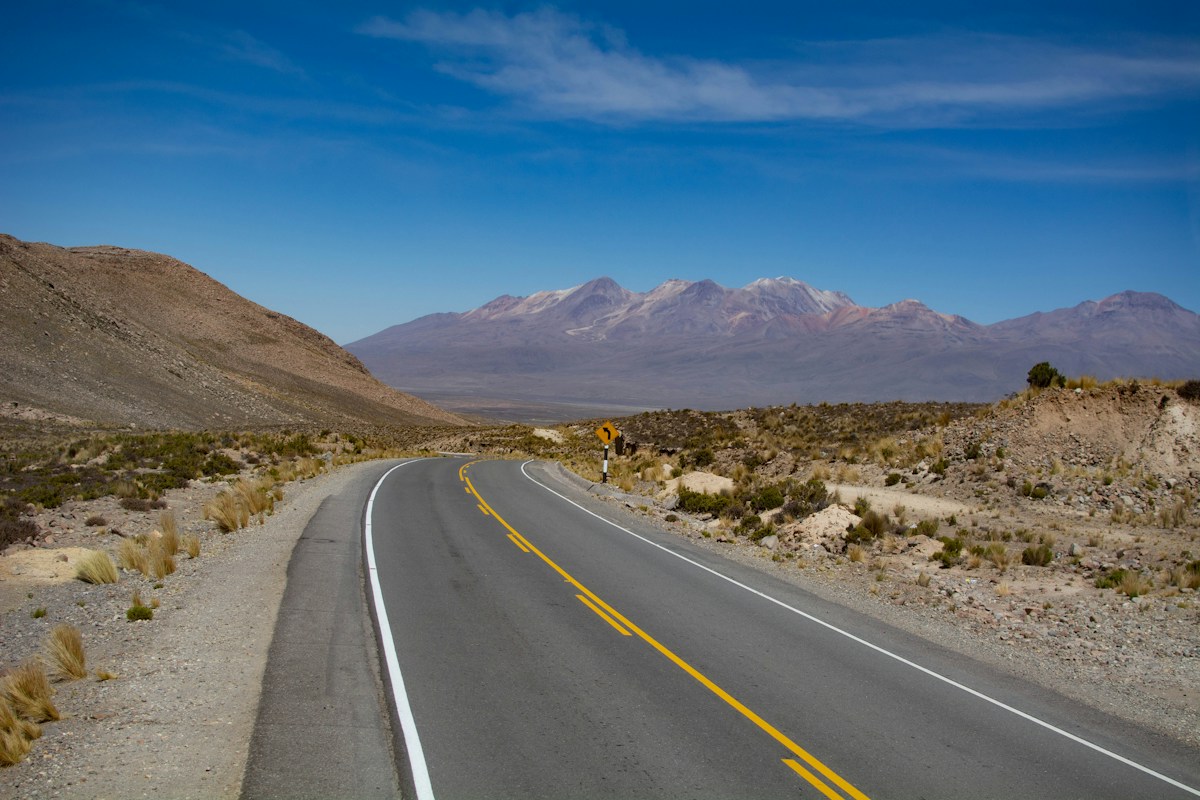
Cover photo: Thomas Gaertner / Unsplash.
Updated 19 November 2026. Lire en français
Driving in Peru gives you control over the pace of a journey between the coast, cities and Andean valleys. The useful starting point is a realistic route: road conditions, altitude, daylight and the rental agreement matter more than the number of kilometres on a screen. A 4×4 can suit some journeys, but it does not make every track appropriate or authorised.
This guide explains the checks to make before booking and a practical routine for each driving day. Official information was checked on 19 November 2026. If you are still choosing regions, start with our Peru road trip itineraries.
What documents do you need to drive in Peru?
Separate three questions: are you eligible to enter Peru, is your driving licence recognised, and do you meet the conditions for the specific rental vehicle? Permission to visit the country does not automatically settle the other two.
| Check | What to establish |
|---|---|
| Identity and immigration | Accepted travel document, any visa requirement and the stay actually granted. |
| Driving licence | Issuing country, vehicle category, validity and any international permit requirement. |
| Rental eligibility | Named drivers, age and experience conditions, deposit and required documents. |
| Vehicle and route | Vehicle papers, insurance, assistance, permitted roads and any border authorisation. |
Is an international driving permit required?
Peru’s Ministry of Transport says that recognition of a valid foreign licence during the first six months of a stay depends on the relevant international conventions. Six months is not an extension of your immigration permission. Check the rules for the country that issued your licence and the category of vehicle, then confirm the rental company’s and insurer’s requirements. The MTC’s official guidance provides the general framework.
For UK drivers specifically, the FCDO states that a UK photocard licence can be used for up to six months while immigration permission remains valid. An older paper licence may require an update or the appropriate international permit. This is not a rule for every nationality. Carry your passport or accepted identification and keep assistance details accessible offline.
Entry requirements also depend on your passport. The UK entry advice, for British citizen passport holders, requires at least six months of passport validity on arrival. Other travellers should check their own consular guidance and the Peruvian immigration rules.
Check insurance beyond the word “included”
Peru’s insurance regulator, the SBS, distinguishes compulsory traffic accident insurance from vehicle insurance. A valid SOAT is not evidence that every type of damage to a rental vehicle is covered.
Ask for the excess, security deposit, theft cover, recovery assistance and exclusions. Establish how tyres, glass, underbody damage and unpaved roads are treated. A road being mentioned in a travel guide does not make it acceptable under your contract. For an international border, obtain the necessary vehicle permission and paperwork before building the journey around it.
At handover, record the vehicle’s condition and check tyres, spare wheel, lights and the supplied recovery equipment together. Ask for a demonstration of unfamiliar controls and confirm the fuel type. Save the breakdown procedure before leaving: whom to call, which information to provide and what to do if there is no phone signal.
Match the vehicle to the permitted route
Different roads create different demands. A paved coastal journey still needs time for traffic, roadworks and stops. Mountain roads add bends, gradients and changing visibility. A short gravel section can take more concentration than a much longer stretch of asphalt.
| Road setting | Planning priority |
|---|---|
| Main coastal road | Allow for traffic, fuel stops and breaks; arrive before dark. |
| Andean road | Check weather, passes, sleeping altitude and a practical alternative. |
| Secondary track | Confirm contractual permission, local access, recent conditions and recovery arrangements. |
| Protected attraction | Check the specific sector’s rules; the vehicle may have to stay at a parking area. |
Do not accept an unfamiliar shortcut solely because navigation software says it is faster. Download your maps, identify the principal route and keep a fallback. A blocked road is a reason to reassess the day, not to improvise a detour onto an unknown track.
A daily road safety routine
Before departure, check weather, local information and the SUTRAN road alert map. It shows reported incidents on the network, rather than certifying every remote access road. Avoid driving at night in rural or mountain areas. Stay away from demonstrations and do not try to cross roadblocks.
Review the whole route against current official advice. At the November 2026 check, French travel advice listed Abancay as an area to avoid unless travel is essential. A Nazca–Cusco route through that city should therefore not be treated as an uncomplicated default. The FCDO’s regional advice also identifies areas with specific restrictions.
The FCDO highlights potential El Niño disruption from late 2026 to April 2027. Our guide to the best time for a Peru road trip helps with seasonal planning; current alerts must still inform the actual departure.
Altitude and a manageable driving schedule
Reaching altitude by car does not prevent altitude illness. The CDC recommends gradual ascent; fitness does not remove the risk. Allow acclimatisation nights and seek individual medical advice before a high-altitude journey. If symptoms develop after ascending, stop ascending and seek medical guidance. Confusion or breathlessness at rest requires urgent help.
Separate driving time from sightseeing and setting up for the evening. Leave enough daylight to change accommodation if the first option is unsuitable. Keep a buffer before a flight or vehicle return. A removable stop makes the whole trip more workable than a schedule in which every booking depends on arriving at an exact minute.
Fuel, water and staying in contact
Confirm the vehicle’s fuel type and identify suitable stops. The official Facilito service helps locate stations and compare fuel prices. Check local supply before a remote stage rather than relying on one theoretical range figure.
Keep drinking water, food, warm layers, charging equipment and offline maps accessible. Where coverage may be limited, give someone your intended route and a time to expect an update. Our Peru camping and camper planning guide covers overnight stops, water and power. Use the road trip budget guide to organise the costs.
Frequently asked questions
Do I need a 4×4 everywhere in Peru?
Choose according to your authorised route, comfort needs and available equipment. Four-wheel drive does not grant permission to leave designated roads. Ask for approval of any proposed tracks before choosing the vehicle.
Can I drive my rental to Machu Picchu?
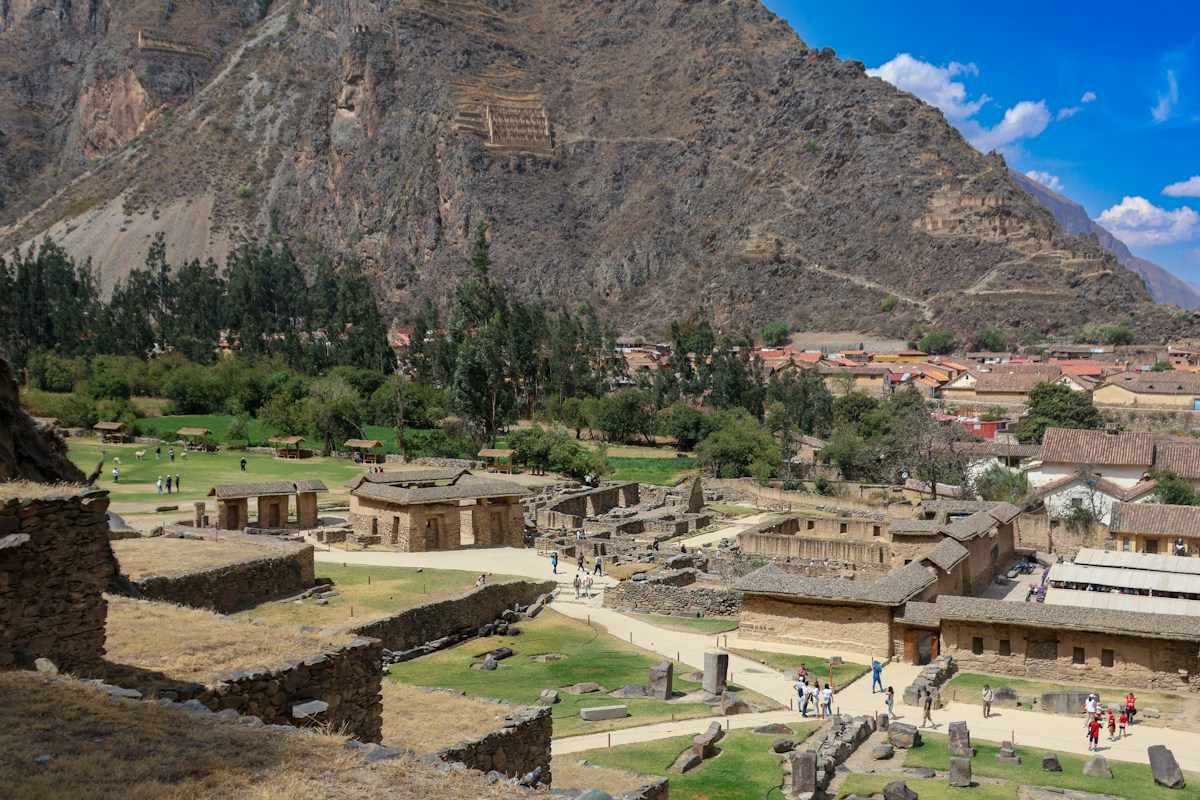
Do not plan to drive to the citadel. The usual approach continues from Ollantaytambo by train, then bus or walking; see PROMPERÚ’s access information. Our Peru highlights guide explains which visits require a different transport mode.
What should I include in a rental enquiry?
Provide dates, traveller and driver numbers, your proposed route and sleeping requirements. Request confirmation of the vehicle, equipment, pickup and return arrangements, and the applicable conditions.
Your rental request is free, with no commitment and no immediate payment. Availability and conditions must be confirmed.