

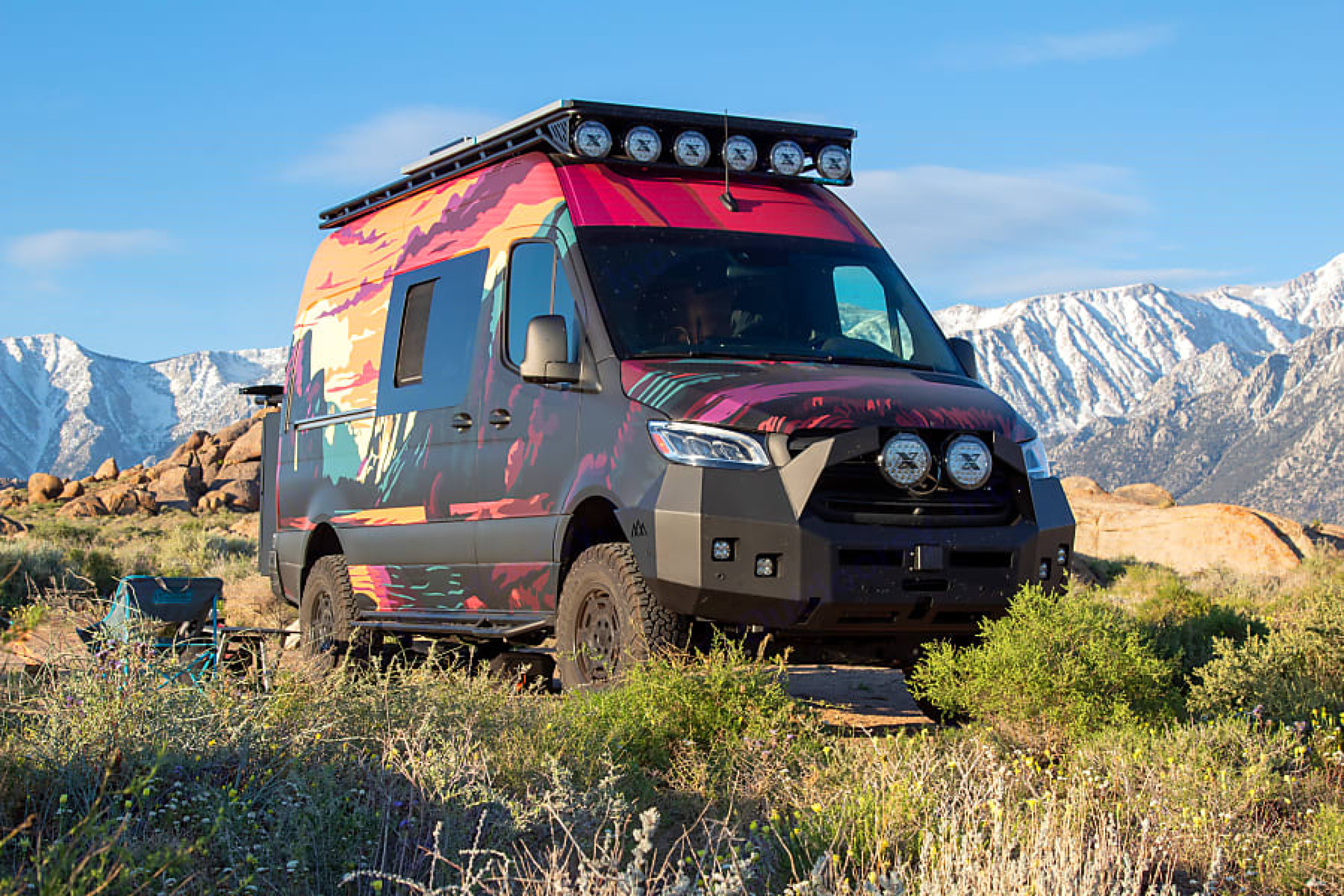
The best time for a USA 4×4 road trip depends on the route you want to drive. A week between San Diego and the California deserts needs a different plan from a mountain loop starting in Denver. The month matters, but so do the elevation of each overnight stop and the roads connecting your campsites.
This guide focuses on California and Colorado, two areas to compare in the Pampa Cruz USA catalogue. Use the seasonal guidance to narrow down dates, then check the vehicle, campsites and access for your trip. It does not establish current vehicle availability or guarantee that a road will be open. Hawaii requires a separate plan.
Match the season to your route
Start with the outline below, then identify your highest road, hottest stop and most exposed overnight location. These often matter more than the average weather in the city where you collect the vehicle.
| Area | Season to investigate | What needs checking |
|---|---|---|
| San Diego and the nearby coast | Several seasons, depending on activities | Coastal cloud, wind and cool evenings differ from inland conditions. |
| Southern California deserts | Spring and fall as a starting point | Heat forecasts, potentially cold nights and campground availability. |
| Sierra Nevada and high roads | Summer and early fall, subject to opening | An accessible valley does not mean that mountain passes or high campgrounds are open. |
| Colorado mountains | Summer and early fall, with weather flexibility | Remaining snow, thunderstorms, overnight frost and closures at higher elevations. |
For desert trips, the NPS guidance for Joshua Tree places the most comfortable temperatures in spring and fall, while winter nights can fall below freezing.
Turn those preferences into realistic stages with our California road trip guide from San Diego and Colorado road trip guide from Denver. Choosing one manageable region usually leaves more room to adapt than combining distant areas simply because both look attractive in the same month.
Spring: choose a route with alternatives
Spring can be a useful starting point for a desert trip, while mountain conditions may remain wintry. The National Park Service describes a gradual transition at Yosemite: lower areas can feel like spring while higher terrain retains snow. Tioga Road opening depends on the snowpack and clearance work, with substantial variation between years. Read Yosemite’s seasonal guidance before making a Sierra crossing essential to your itinerary.
Build an alternative loop on the same side of the mountains if the planned crossing remains closed. For a Denver departure, do not use the city forecast as the forecast for a mountain campsite. Being able to move an overnight stop to lower elevation is more useful than having every day tied to an ambitious route booked months earlier.
Summer: coast, desert and mountains need different plans
The National Weather Service’s San Diego climate information describes the low cloud and morning coastal conditions that can occur in spring and summer. Keep a warm layer within reach for cooking outside and early starts, even when your next stop is inland.
Desert travel needs a separate approach. Joshua Tree’s summer guidance calls for planning around heat, carrying water and changing activities when warnings are issued. Air conditioning while driving does not mean a rooftop tent will be cool overnight. Nor does a van automatically have air conditioning that can run while parked. Ask how the actual rental’s equipment works.
Summer in the Colorado mountains still brings cold nights and sudden changes. Rocky Mountain National Park’s weather guidance highlights afternoon thunderstorms and the possibility of snow at higher elevations. Plan exposed activities early and leave enough time to return to shelter before the forecast worsens.
Fall: keep checking access until you travel
Fall can support very different trips: returning to the deserts after summer heat, spending time on the California coast or exploring mountain areas. For the latter, allow for shorter days and a replacement stage if a road closes. Last year’s opening dates are useful background, not a commitment for your travel dates.
Check each campground separately, including its operating dates, available pitches, water services and latest arrival time. Being able to visit a park during the day does not establish that you can spend the night there. Our guide to camping and overnight stops with a vehicle in the USA explains how to plan those stays.
If mountain scenery is your main reason for choosing a route, decide which lower-elevation alternatives would still make the trip worthwhile. This helps you change plans without replacing the whole holiday.
Winter: check the roads, tyres and sleeping setup
A winter trip needs clear confirmation that the rental and the proposed route are suitable. An indoor bed does not prove that the sleeping area is insulated or heated. A rooftop tent does not become appropriate for freezing weather simply because it is mounted on a 4×4. Confirm bedding, any installed heater, its power or fuel needs, and limitations affecting the water system.
AWD and 4WD describe different systems; neither label removes the need to check current restrictions. In California, Caltrans chain controls can require carrying or fitting traction devices, depending on the conditions. In Colorado, consult CDOT’s passenger vehicle traction and chain requirements. Confirm that the equipment approved by the rental company and vehicle manufacturer fits the tyres on your vehicle.
Keep the road requirements and the rental agreement separate: a route being legally open does not establish that the rental contract permits you to drive it.
Wind, storms and smoke: plan a different place to sleep
For a rooftop tent or pop-up roof, obtain the manufacturer’s and rental provider’s operating instructions, including wind limitations. There is no single wind threshold that can safely be applied to every setup. Identify alternative accommodation, leave room for it in the budget and check campground cancellation conditions.
A tent is not suitable shelter from lightning. The National Weather Service explains why tents do not provide lightning protection. Plan the move to shelter before a storm arrives, rather than waiting until you must pack away an exposed tent.
Smoke can also change your plans, even when a fire is far from your route. Check AirNow’s smoke guidance, local alerts and instructions from the site manager. A vehicle booking is not a reason to keep an overnight stop when local conditions have deteriorated.
Five checks before committing to dates
- Identify the priorities. Pick a few essential visits and check their seasonal access constraints.
- Check the actual vehicle. Confirm sleeping spaces, bedding, water, ventilation, tyres and any heating without borrowing features from another model.
- Confirm the rental season. A published listing does not establish that a vehicle operates throughout the year.
- Verify roads and overnight stops. Use local forecasts, park pages, Caltrans QuickMap in California and COtrip in Colorado.
- Leave room to change course. Keep a fallback loop and time before the return appointment, instead of relying on a mountain crossing on the final day.
Compare California rentals starting in San Diego and Colorado rentals starting in Denver, then describe your group, travel dates and planned stops. The booking request is free and carries no obligation, with no immediate payment. Availability and the vehicle’s conditions still need confirmation for your trip.
Official sources checked on 12 November 2026. Seasonal guidance does not replace current forecasts and restrictions for your travel dates.