

A Colorado road trip from Denver can bring together Rocky Mountain National Park, the Arkansas River valley and Great Sand Dunes. The right pace depends on your time and season: a week calls for a shorter loop, while ten days allows two nights at the main stops.
This suggested route starts and finishes in Denver, using roads that are open and permitted for your vehicle. It does not depend on crossing Trail Ridge Road. Start with the Denver 4×4 rooftop-tent rental page to check dates and collection arrangements. The catalogue contains a 4Runner listing, but that does not confirm availability for your trip.
Seven or ten days: choose a loop with time at each stop
| Duration | Suggested overnight stops | Main choice |
|---|---|---|
| 7 days / 6 nights | Denver 1; Estes Park 2; Buena Vista or Salida 2; Denver area 1 | Rocky Mountain and the Arkansas valley, without continuing south to Great Sand Dunes. |
| 10 days / 9 nights | Denver 1; Estes Park 2; Buena Vista or Salida 2; Great Sand Dunes 2; Colorado Springs 1; Denver area 1 | Add the dunes and an overnight stop on the return, keeping a full day at the main destinations. |
These are suggested trip lengths, not advertised minimum rental periods. Calculate the route using the actual campgrounds, planned visits and handover address. Confirm the vehicle’s distance allowance, whether it is expressed in miles or kilometres, and any excess-mileage charge.
A 10-day Colorado itinerary from Denver
Day 1: handover and a first night near Denver
Allow time for collection, groceries and learning how to set up camp. Open and close the rooftop tent with the rental handover instructions. Check bedding, water, cooking equipment, fastenings and how to secure everything before driving. Keep your plans light after the flight and spend the first night close to the collection area.
Ask for the exact meeting address and time. A vehicle listed in Denver does not automatically include airport collection or a transfer.
Days 2 and 3: Estes Park and Rocky Mountain National Park
Spend two nights on the Estes Park side so you can explore eastern Rocky Mountain without moving camp. Choose walks according to weather, elevation and how you feel. Keeping one main outing for the day also leaves room for viewpoints and time at the campground.
Before booking, check the official timed-entry system. Arrangements depend on the period and area, particularly the Bear Lake Road corridor. A campground booking may include access under specific conditions; read exactly what it covers rather than treating the campsite, entry window and entrance fee as interchangeable.
To stay inside the park, consult the official Rocky Mountain campgrounds and their opening dates. Choose a vehicle-accessible site. A walk-in tent site is not necessarily suitable for a tent attached to a vehicle.
Days 4 and 5: Buena Vista or Salida in the Arkansas valley
Continue towards the valley on open main roads, keeping the transfer day reasonably flexible. This route does not require crossing Trail Ridge Road, Independence Pass or an unpaved mountain pass. A shortcut suggested by a map may be unsuitable for the season or prohibited by your rental agreement.
Spend two nights around Buena Vista or Salida. Use the full day for accessible walks, river scenery or an organised activity chosen for local conditions. Developed campgrounds in the Arkansas Headwaters Recreation Area require reservations. Check each campground’s access road and facilities before deciding where to stay.
Days 6 and 7: Great Sand Dunes without a mandatory 4WD trail
Reach Great Sand Dunes using the main road approach and stay for two nights in the area. An unhurried arrival leaves time to prepare the next day’s visit around sand temperatures and the forecast.
Piñon Flats Campground has paved road access and requires reservations. Check its operating season; if it is closed or full, find an authorised campground outside the park. A space in a parking area near the dunes does not permit an overnight stay.
Medano Pass Primitive Road is not part of this itinerary. The NPS specifies vehicle requirements and publishes access conditions, including sand and creek crossings. A listing described as “4×4” does not by itself confirm that this route is allowed or covered by insurance.
Also read the current conditions for visiting the dunes. Hot sand, wind, thunderstorms and changing flow in Medano Creek can affect your plans. Water flowing beside the dunes is not guaranteed.
Day 8: an overnight stop near Colorado Springs
Travel towards Colorado Springs with a campsite booked in the area. This breaks up the return instead of combining the dunes visit with the entire journey back to Denver. Cheyenne Mountain State Park’s campground is an option to investigate according to availability, site suitability and operating facilities.
Keep the rest of the day straightforward. A summit road or a long hike need not be added to a transfer day to make this final outdoor stop worthwhile.
Days 9 and 10: back towards Denver and vehicle return
On day 9, return to the area around the agreed handover location. This gives you a margin for traffic, roadworks or changing weather. Keep day 10 for packing, the requested cleaning and refilling, returning the vehicle and your onward transfer.
How to shorten the trip to seven days
Keep Denver, two nights near Estes Park and two nights in the Arkansas valley, followed by a final night near Denver. Leave out Great Sand Dunes and Colorado Springs instead of reducing every park visit to a few hours.
This version retains two days without a major transfer and a sensible return before the handover. If mountain weather is unsuitable, shorten the plan further. Having a 4×4 is not a reason to keep a stop that is closed, snowbound or beyond the agreed rental conditions.
Trail Ridge Road, elevation and season: build in a backup
For this camping loop, begin by considering summer and early autumn, provided your chosen roads and campgrounds are open. Spring remains variable at elevation, and early snow can change an autumn trip. The NPS seasonal weather guide helps with planning; actual forecasts and openings determine the final route.
Trail Ridge Road can be a rewarding excursion when conditions allow, but it climbs above 12,000 feet, or roughly 3,700 metres, and is subject to seasonal and temporary closures. Check Rocky Mountain’s official road status before adding it. This loop stays on the Estes Park side and does not require crossing the park to Grand Lake.
If the road closes, use only open areas and roads, adapt your walks or move on to a less exposed stop if its approach is safe. Keep an accommodation alternative for a larger change of plan and check the cancellation terms for your campground bookings.
A good period for visiting the region is not confirmation of the vehicle’s operating season. Cold nights, wind and storms matter as much as daytime temperatures. The NPS explains lightning precautions: a tent is not a suitable storm shelter. Plan how to reach a building or an appropriate enclosed vehicle.
Check roads through COtrip and read Colorado’s tyre and traction-device requirements. Four-wheel drive does not remove applicable obligations. Our USA road-trip seasons guide helps match your travel period to the region and equipment.
The Denver 4Runner: details to confirm
The listing describes a 4×4 4Runner with a rooftop tent for two and a 270-degree awning. Its structured fields show two seats and two seat belts, while the description refers to up to four passengers. Confirm the actual capacity before planning a trip for more than two people. The described tent still sleeps two.
Also ask about bedding, water storage, cooking equipment, cold-weather provisions and restrictions on unpaved roads. “Cabin heater” in an equipment list does not confirm heating inside the rooftop tent. The Denver rental page leads to the listing and the questions to resolve before booking.
Book the overnight stops and prepare your rental request
For each stop, confirm that the campground accepts a vehicle with a rooftop tent, then check dimensions, toilets, water and food-storage rules. Follow the land manager’s instructions in wildlife areas; the height of your tent is not a substitute for proper food storage.
Our guide to overnight stays in a camping vehicle in the USA explains how to check a campsite and distinguish camping, overnight parking and public land. Keep this part of the planning separate from reserving your rental vehicle.
To check the options for your dates, browse the USA vehicle catalogue. A booking request is free and carries no obligation, with no immediate payment. Availability, the final price, distance allowance and rental conditions must be confirmed for your trip.
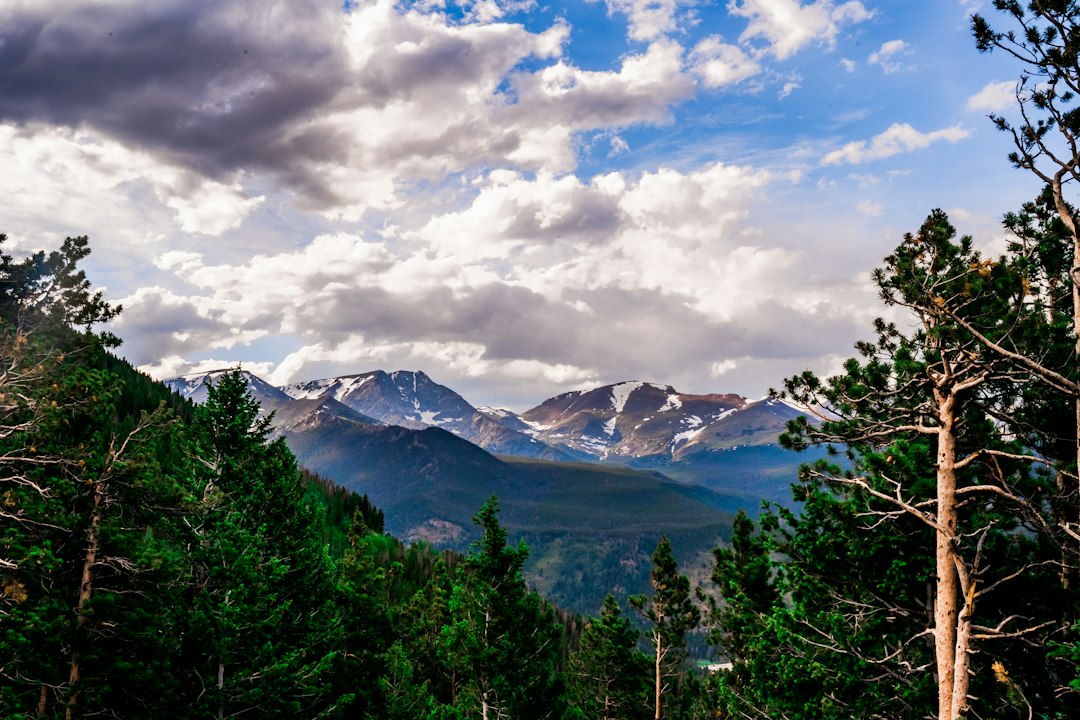
Photo by Pablo Lara / Unsplash.